



When it comes to species diversity, habitat, and behavior, change in Great Smoky Mountains National Park is ongoing—yet frequently flies under the radar. To reflect shifts in animal populations in the park, Smokies Life has updated two popular field guides to keep enthusiasts and park visitors informed.
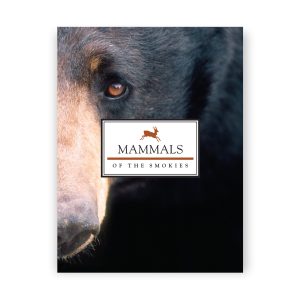
Revised editions of Mammals of the Smokies and Reptiles and Amphibians of the Smokies are now available for sale on park store shelves and online.
The lengthier of the two guides, Mammals, first released in 2009, contains 241 pages of photos, short descriptions, and an index of the most popular and famous critters in the park, including 13 species of bats and the iconic American black bear, which are now estimated to number 1,900 in the Smokies.
“There are more bears and more humans—visitors and residents—so it’s even more important for people to learn how to live and recreate safely in our region,” said former NPS supervisory wildlife biologist Bill Stiver, who contributed to the first edition of Mammals and provided input for the update. “Visitors need to know what to do if they encounter a bear and to heed the BearWise® Basics found at BearWise.org. Knowing what to do and what not to do is the best way to keep both humans and bears safe in the national park and surrounding areas.”
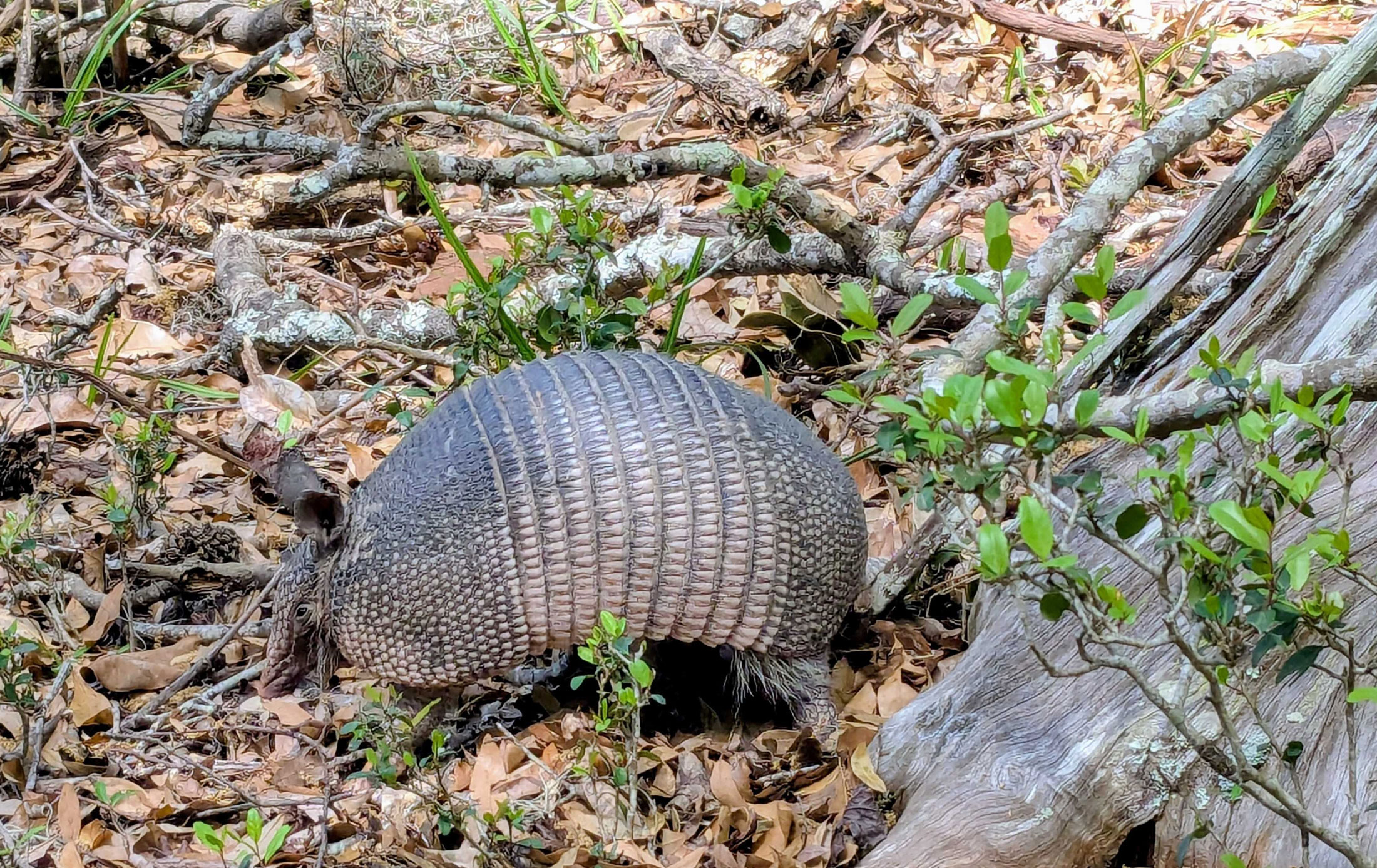
Mammals, produced with expertise from several subject matter experts, provides details about elk, deer, flying squirrels, chipmunks, foxes, bobcats, and even bison. The revised edition adds the least weasel (Mustela nivalis) and nine-banded armadillo (Dasypus novemcinctus). Two bat species, Seminole (Lasiurus seminolus) and gray bats (Myotis grisescens), have also been confirmed as park residents since the first edition.
The update also includes information about the devastating effects of white-nose syndrome on bats in the Smokies. The fungal disease had not been identified in the park when the guide was first published. Unfortunately, the disease has decimated populations of certain cave-dwelling bat species since then. Stiver said the decline of four species of bats—little brown, Indiana, tricolored, and northern long-eared—represents the largest change in any animal group in the park since this field guide was originally published.
“These species have lost 95 to 99 percent of their populations, all within a few years of the discovery of the fungus on a little brown bat from a cave within the park,” he said. “That impact is consistent with how the disease had already decimated some cave-dwelling bat populations in the Northeastern US, where it was initially discovered, and how it continues to affect bats as it spreads across the country.”
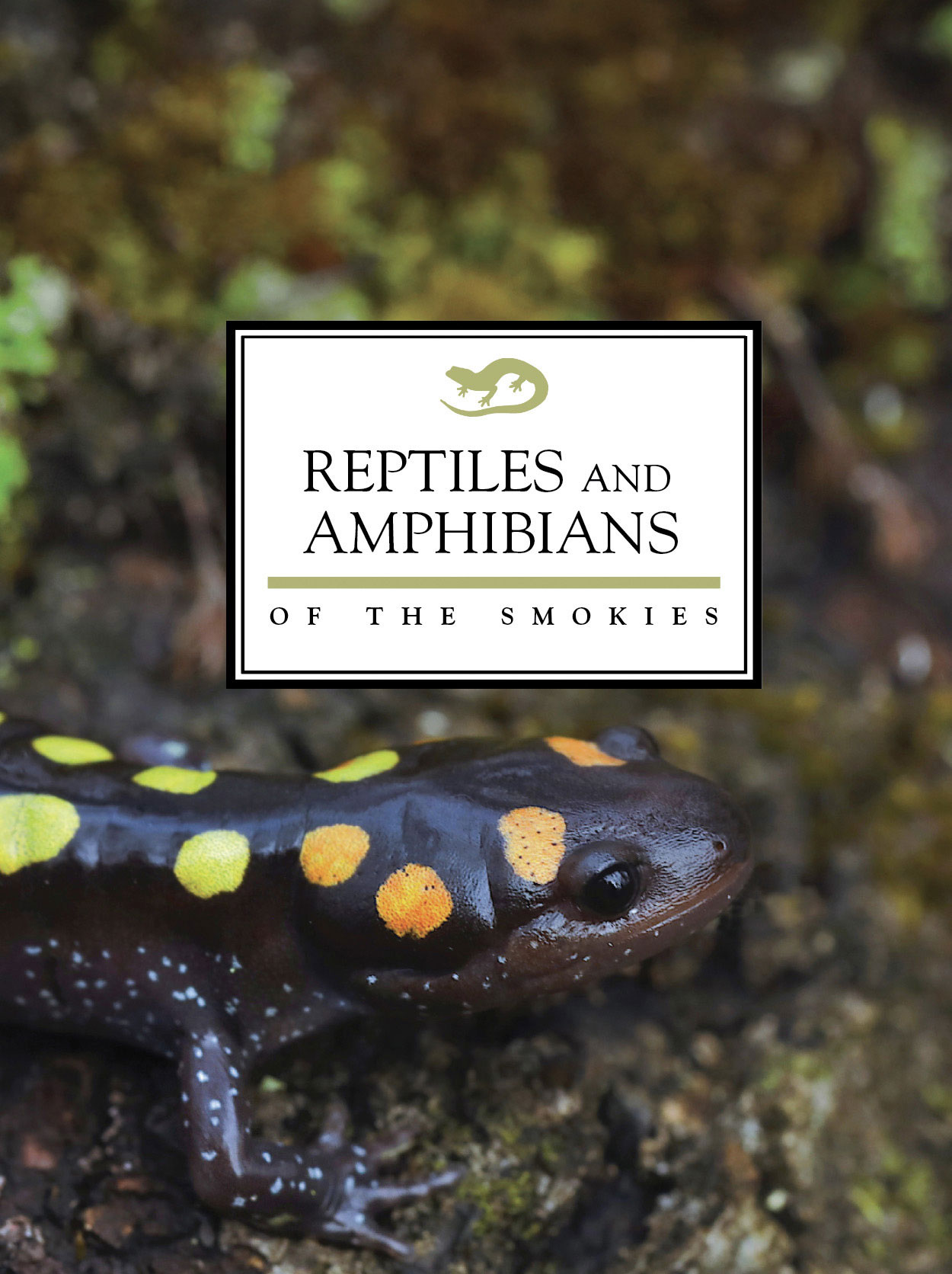
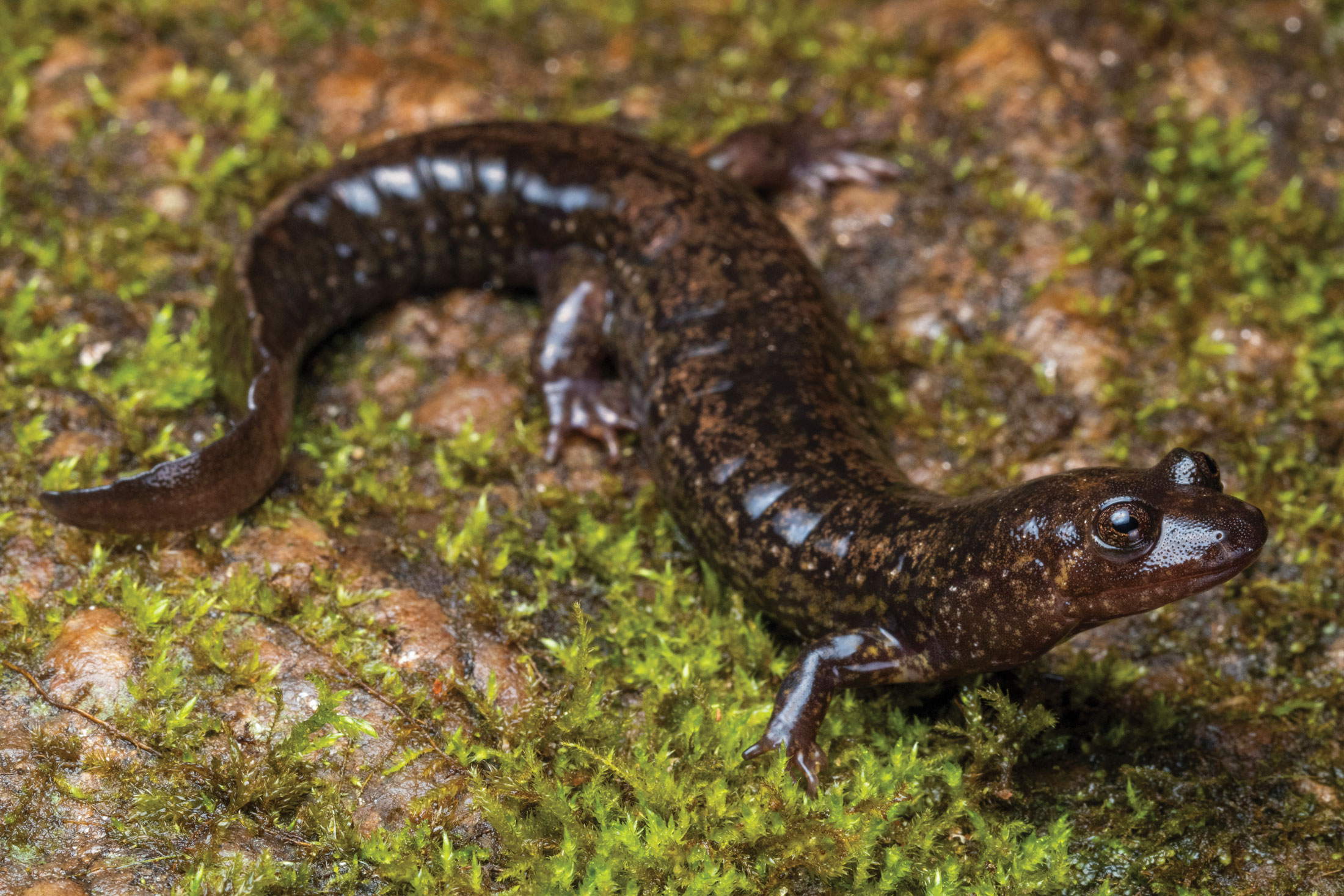
Now in its third edition, Reptiles and Amphibians of the Smokies, by Stephen G. Tilley with the late James E. Huheey, was last released in 2004. The Smokies are known as the salamander capital of the world, and the new edition of Reptiles and Amphibians describes all 31 salamander species in the park, plus frogs, turtles, snakes, and more. New photos are part of the latest 147-page edition, which features the work of 20 photographers who contributed fresh photos.
An emeritus professor of biological sciences at Smith College, Tilley added many new details to the field guide, including the split of the black-bellied salamander into the Smoky Mountains black-bellied salamander (Desmognathus gvnigeusgwotli) and Pisgah black-bellied salamander (Desmognathus mavrokoilius). Abundant throughout the park in stream and streamside habitats, they are genetically and biochemically distinct but cannot be distinguished by sight. DNA testing helped differentiate them.
“Quite a few folks in the herpetological community were aware that there are probably several species masquerading as a single ‘black-bellied salamander,’” Tilley said, “but I don’t think many of us thought that there were two distinct species in the Smokies.”
The Cherokee Mountain dusky salamander (Desmognathus adatsihi) and Western shovel-nosed salamander (Desmognathus intermedius) are also new species. Of the many salamanders in the region, Tilley said, four species occur only in the Smokies and adjacent Balsam Mountains.
“This emphasizes how these mountains represent an important center of biodiversity that deserves our appreciation and protection. It also encourages us to understand the processes that generate the diversification of living things in this small corner of the world,” he said.
Smokies Life has revisions slated for several additional scientific and historical publications to fulfill our educational mission to provide the best information to Smokies visitors and the park for years to come.
The revised field guides and other Smokies Life publications are available for sale in park visitor centers and online.
Subscribe to get the latest posts sent to your email.