


What do rangers eat for lunch? How did the Great Smoky Mountains get their name? Do rangers have to feed the bears? Are there alligators in the park? What about moose? Dolphins?
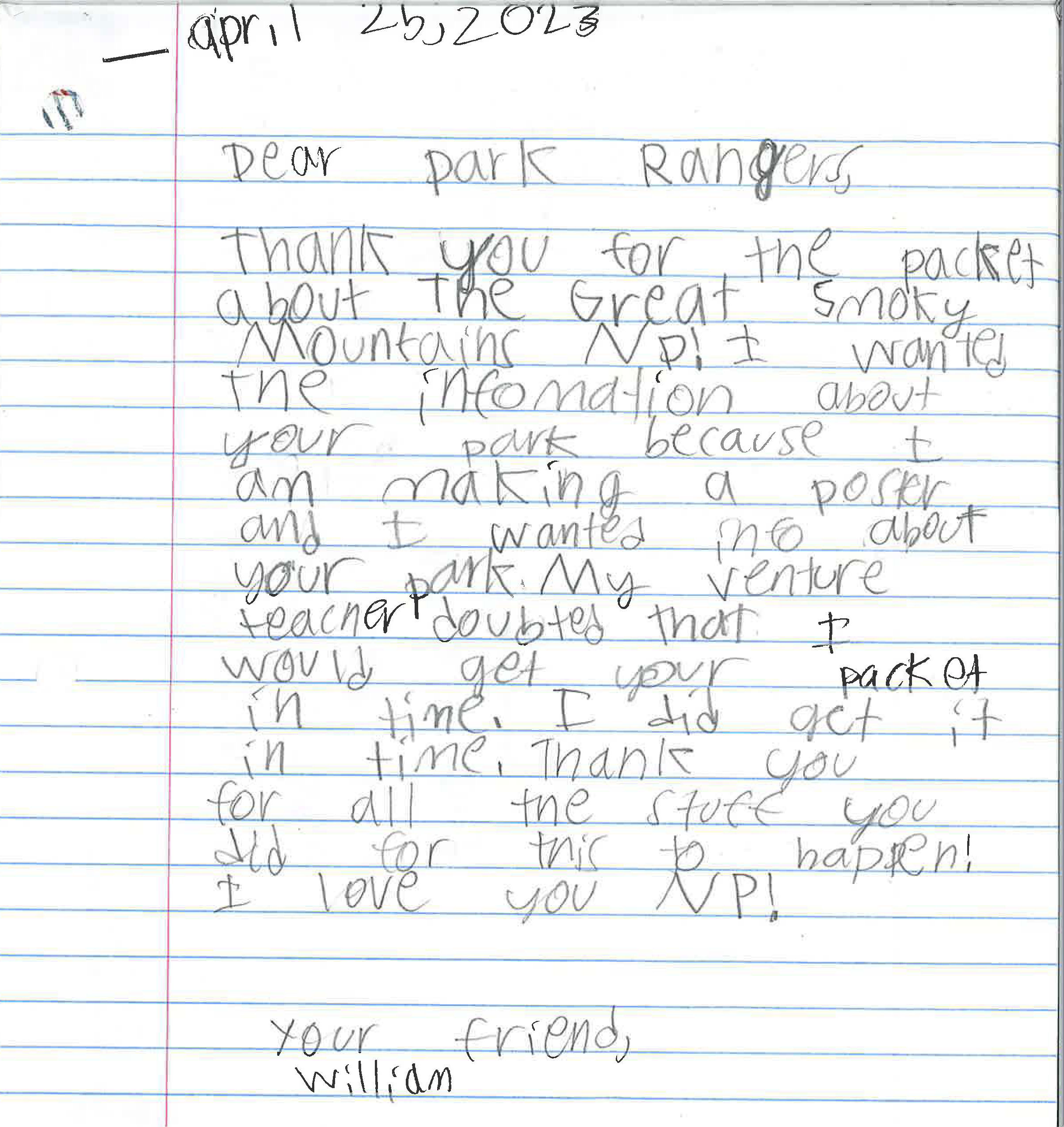
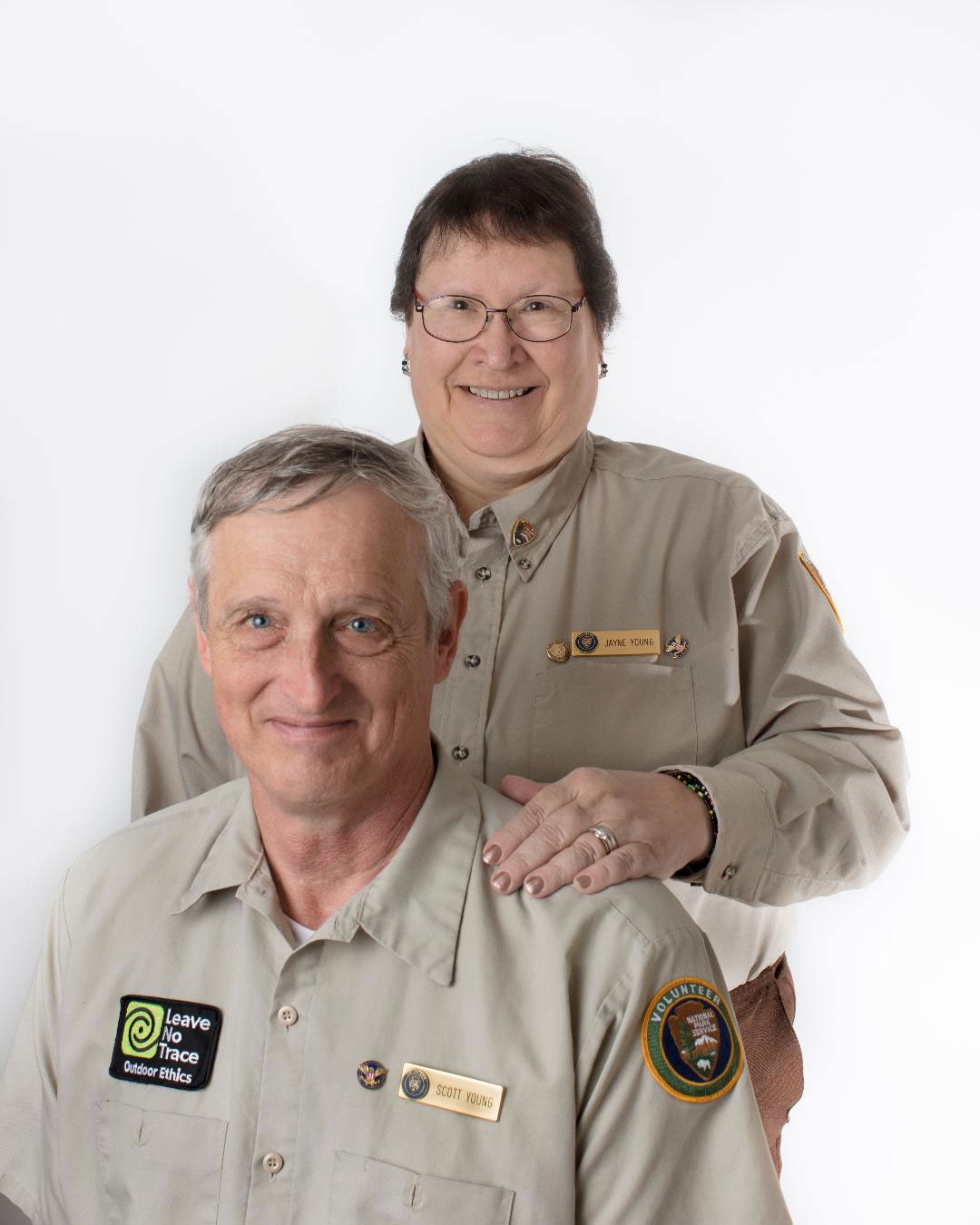
“The kids really want to know,” said Scott Young, a volunteer at Great Smoky Mountains National Park who, together with his wife Jayne, has answered every letter kids from across the country send to the national park since they first took on the task in 2021. That first year, the Youngs responded to 101 letters. In 2022, the volume more than tripled to 315 letters, and it has increased every year since. In 2025, the Youngs replied to 1,092 letters.
Though some come from adults, they estimate about 95 percent are from children, most of whom are working on a school project. Kids ask questions about the park and often request materials like maps and brochures to complete their assignments.
The Youngs estimated they’ve spent more than 150 hours apiece over the last year answering these queries, but that’s far from being the only role they fill as park volunteers. Since becoming Volunteers-In-Park in 2017, they’ve each logged more than 13,000 hours in a variety of positions—working the visitor desk at Sugarlands, mingling with visitors as Elkmont rovers, and serving as volunteer program assistants, among others. But answering letters is their favorite project.
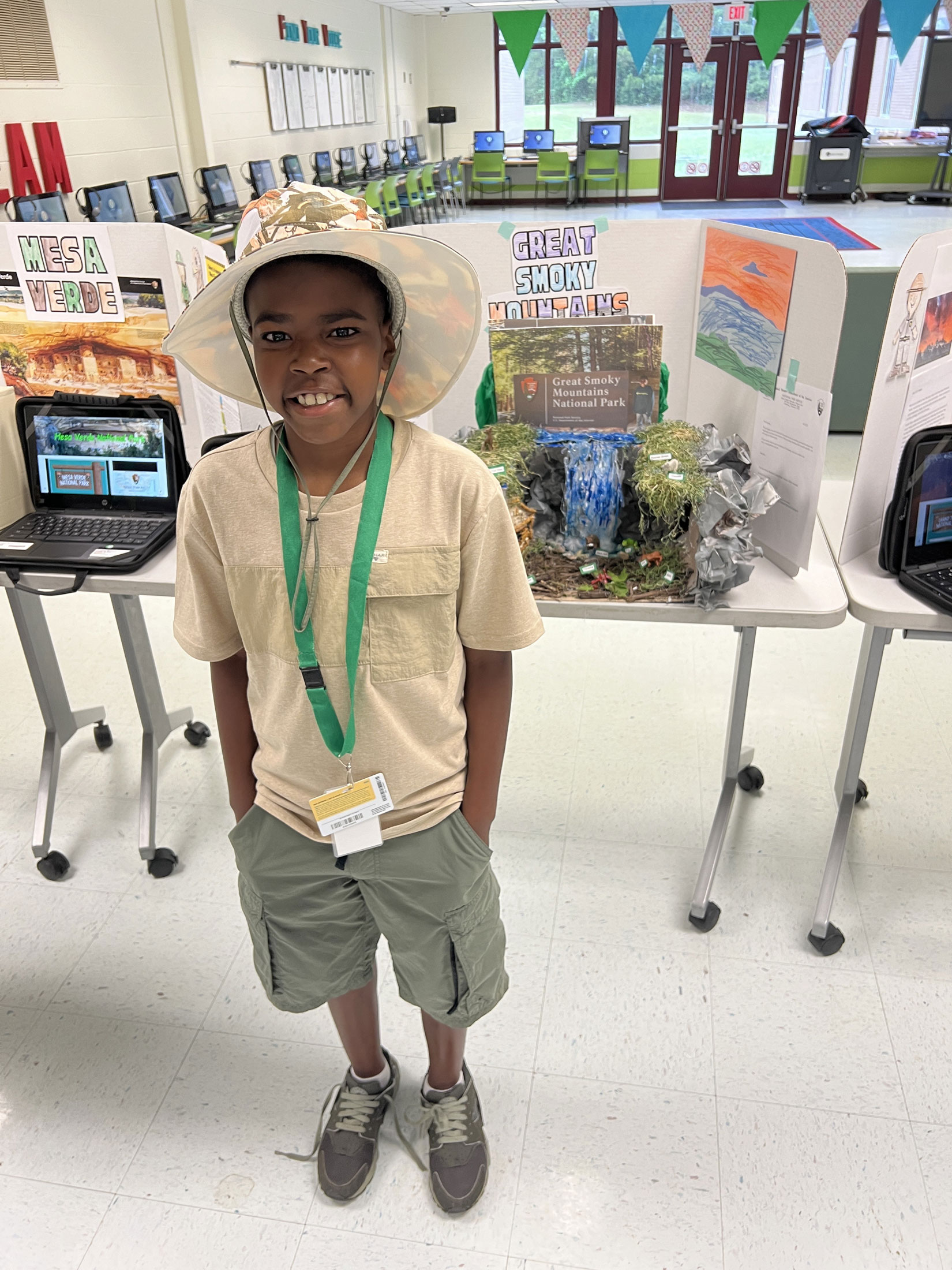
“We thoroughly, thoroughly enjoy receiving kids’ letters,” said Jayne. “We have gotten a lot of entertainment out of seeing our park through the eyes of these little kids.”
Some kids have never even seen a mountain before and have a hard time imagining what they’re like—for instance, one seven-year-old sent a drawing of himself standing with one foot on one mountain and the other foot on a different mountain. Many letter writers are surprised to learn that the park has only one kind of bear—the American black bear—and lacks other large animals of interest like alligators, moose, and dolphins. Some ask if the Smokies have any volcanoes.
“One boy asked have we ever ridden a motorcycle standing up while going up the mountain to chase after a bear,” said Scott. “So I just sent that to [now-retired wildlife biologist] Bill Stiver. He said, ‘No, not yet.’ They make your day when you see some of the questions and their naivete.”
“And their kindness,” Jayne added. “Every child that we’ve ever gotten a letter from has thanked us for what we do in the park. They say, ‘We hope you stay safe. We hope you are okay. We appreciate you working in the park to protect the animals and the water.’ It’s those letters that really touch your heart.”
The kids have no trouble coming up with questions—Milo, a student in Wisconsin, managed to cram four into a single paragraph when he wrote the park in September—though sometimes their exact meaning is a bit difficult to decipher.
“What animals do you see most often in Great Smoky Mountain?” Milo wrote. “And how big is Great Smoky Mountain have smoke in it? Also is it a grassy or a snowy place? Have you guys ever been there because if you did do the animals like the place? Thank you, for reading my letter.”
The letters come from all over the country—California, Illinois, New Jersey, even Alaska. For many of their writers, the Great Smokies are a distant land that, for now, they can only dream of visiting.
“Dear National Park Ranger, my student is a second grader at a lower socioeconomic, title one elementary school in Bloomington, Indiana,” reads a letter the Youngs received in September. “They are 7 or 8 years old. Most of our students won’t ever have the opportunity to visit a national park because the closest one to our school is about 4 hours away and traveling is expensive … We understand that you get a lot of letters and requests for artifacts [such as maps and brochures]. Our students will be thrilled to have any type of response. Thanks for all you do!”
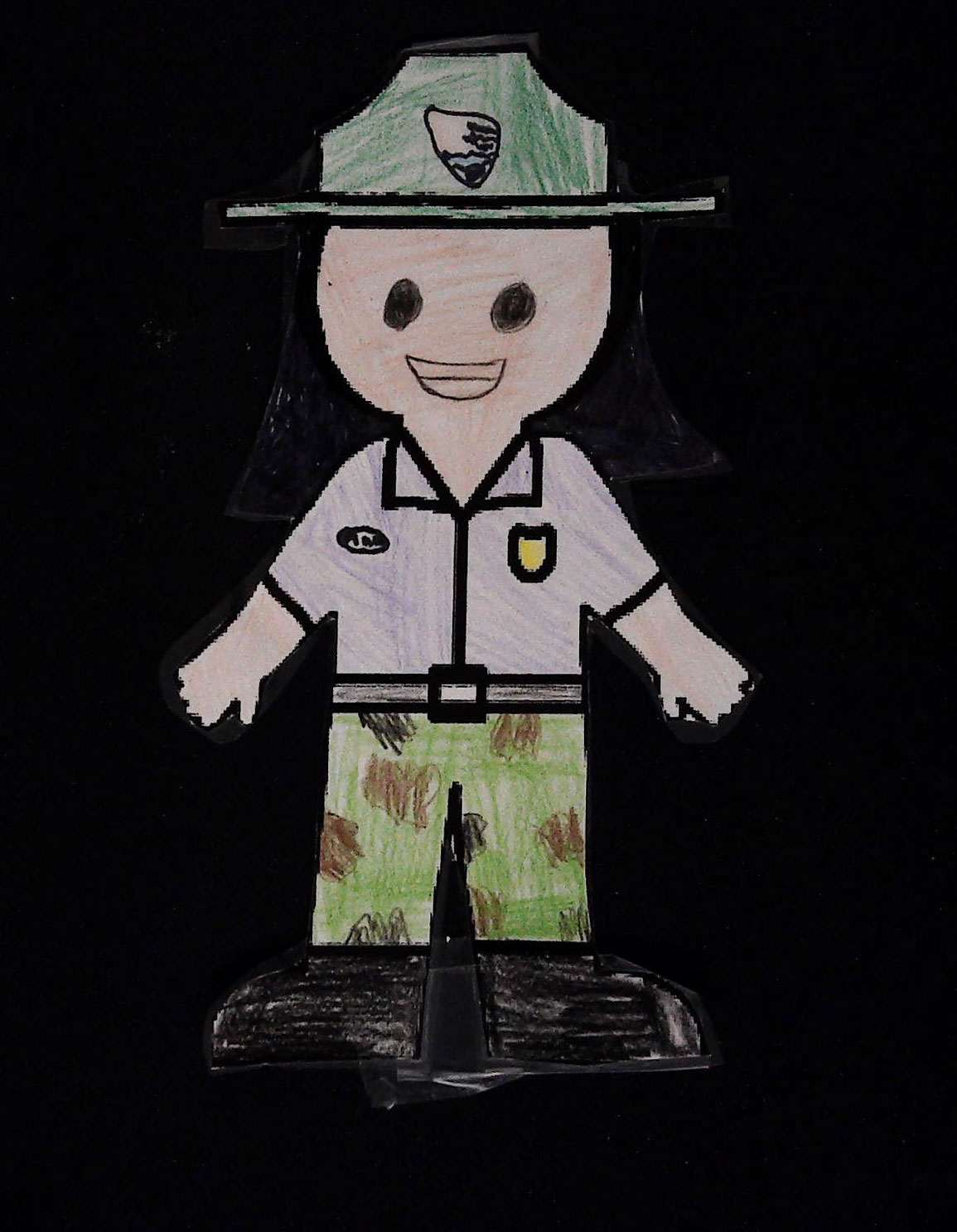
The Youngs take their job seriously. If they receive a letter that’s missing the child’s name or find the handwriting indecipherable, they’ll call the school to track down more information. If it asks a question they don’t know the answer to, they’ll do some research. In addition to a personalized letter responding to the child’s query, each reply includes a standard letter from the park superintendent, some basic information about the park, bear facts, an explainer on Leave No Trace principles, and a few coloring sheets.
“We’re instilling another generation of love for nature, the wilderness, and wanting to protect it and keep it that way,” Jayne said. “Plus they’re learning about our geology, our weather, not just the standard ‘what is there to see,’ but what makes up the park.”
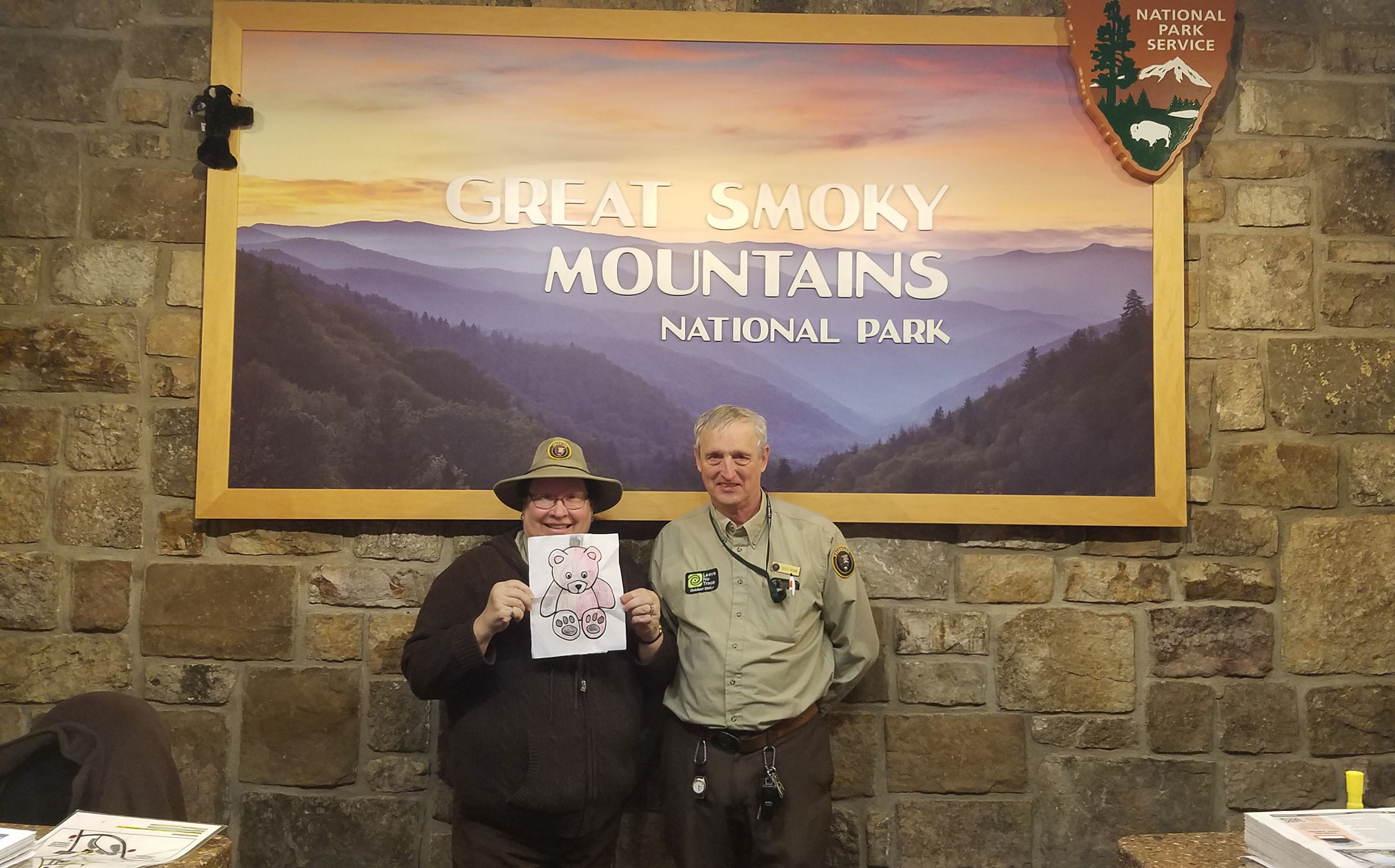
Many times, the Youngs get letters back from the kids they’ve written to, and sometimes they even get to meet them in person at Sugarlands Visitor Center, where, for one of their other volunteer positions, they work the visitor desk Sunday through Wednesday each week.
“That’s the best part,” said Scott. “Some of them will even bring the letter in to show us. And then we always make sure we get a picture with them.”
Once the Youngs answered a letter from Alaska, and the little girl they wrote to responded with a package of her own, full of information about the place where she lives. Other times kids write thank you notes or send photos of themselves with their completed projects. The letters they’ve reviewed tend to pile up fast, so the Youngs typically hold on to them for about six months before shredding them—but they were sure to save a thank you note they received in June 2024 from the mother of a fourth grader named Addison.
“Shortly after she wrote to you, she was diagnosed with Stage 4 cancer,” the girl’s mom wrote. “After seeing your reply, she was overjoyed at the thought of visiting your beautiful park once she’s well enough. I want you to know how grateful I am for the work you do, and for your thoughtfulness.”
Letters like that remind the Youngs that every letter writer is a real person dealing with real life, and a thoughtful response from the Smokies might end up meaning a lot more than expected.
“We think this is one of the most rewarding things we’ve done in the park,” said Jayne. “When you get to see through the children’s eyes how they envision us, when they’re trying to put it together all in their head, it’s very emotional sometimes, because what if this wasn’t getting answered?”
There are many ways for kids to learn more about Great Smoky Mountains National Park. Become a Junior Ranger, join one of the many free ranger programs offered in the park, explore the park website, or read some of the many kid-friendly books Smokies Life has published about the park. For adults, volunteering is a great way to learn while also helping the park better accommodate the 12 million-plus visits it receives each year. Learn more about volunteer opportunities in the Smokies at nps.gov/grsm/getinvolved/volunteer.htm.
Subscribe to get the latest posts sent to your email.