

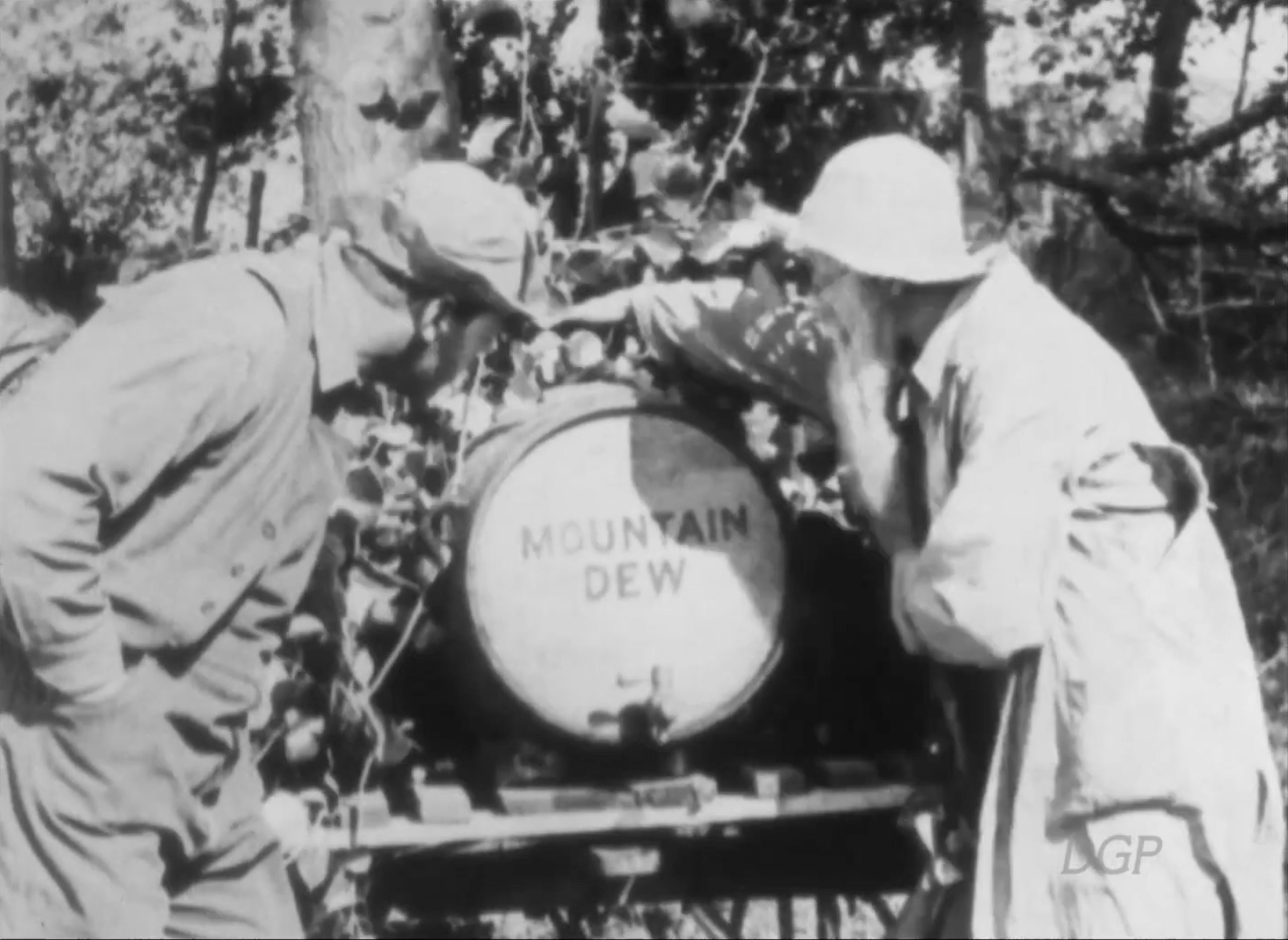

Illegal whiskey production and the stereotypical backwoods mountain culture that surrounded it spread from the written word to film with the advent of the silent film era. Silent films were the first mass-produced and -distributed films, starting in the late 19th century and continuing until the late 1920s, when they were replaced by “talkies,” or movies with synchronized sound and dialogue. Silent films often had captions and, in place of dialogue, provided theatres with a musical score that could be played by a local pianist to add dramatic elements.
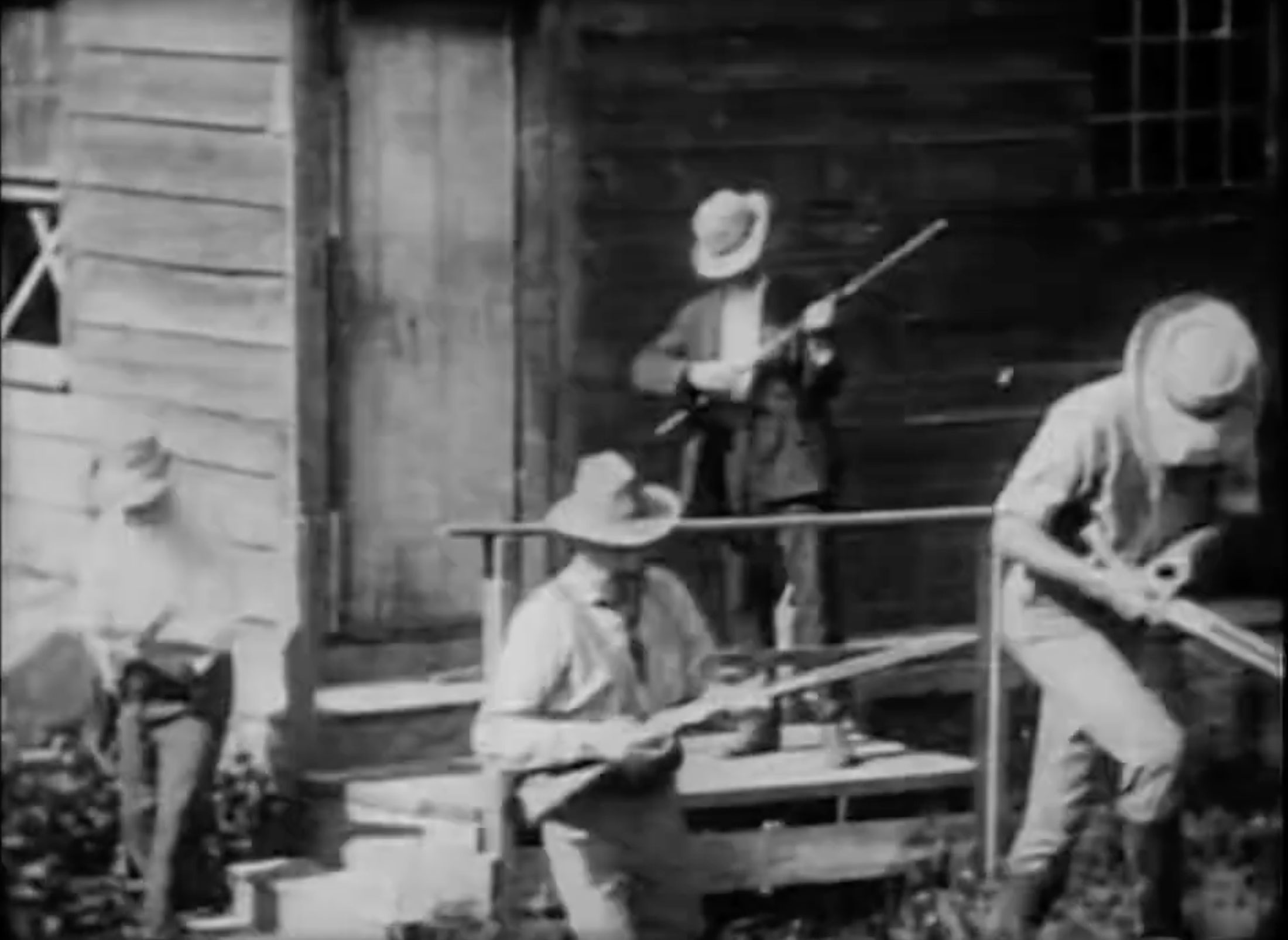
In Southern Mountaineers in Silent Films: Plot Synopses of Movies about Moonshining, Feuding and Other Mountain Topics, 1904-1929, J. W. Williamson counted an astonishing 145 movies with a prominent moonshine theme produced from 1904 to 1928. Williamson cited The Moonshiner as the first moonshine-themed film in the silent era. Although the film was shot in New Jersey, the production company claimed that the film contained extensive local color. It was hugely popular. According to Williamson, the film’s depiction of violence created a prevailing element of mountain culture in the mind of the public and defined a plot point for movies to come. The Moonshiner can be viewed on YouTube.
The periodical The Moving Picture World, published from 1907 to 1927, was the leading source of motion picture information, and in some cases the only source of information, about these early films. It set a standard for the trade publication with its extensive coverage of the film industry, including release dates for new films and movie descriptions. In later years of the publication, these summaries became more critical and substantial, promoting a new genre of writing: the movie review.
With the prodigious output of movie studios, the films about moonshine and moonshine culture were extensively repetitive. According to Williamson, some 37 movie plots involved a young woman, often the moonshiner’s daughter, and her attraction to a revenue agent or a young man from the city. Of course, her father objected to the relationship because it was a danger to his illegal enterprise. Here is a typical review in The Moving Picture World (May 29, 1915):
“The Last of the Stills—Moonshine whiskey, revenue officers and love all assist in making this one-reel drama interesting. The moonshiner’s pretty daughter and the chap from the city are central figures of the romance and are nicely played by Virginia Kirtley and Robyn Adair.”
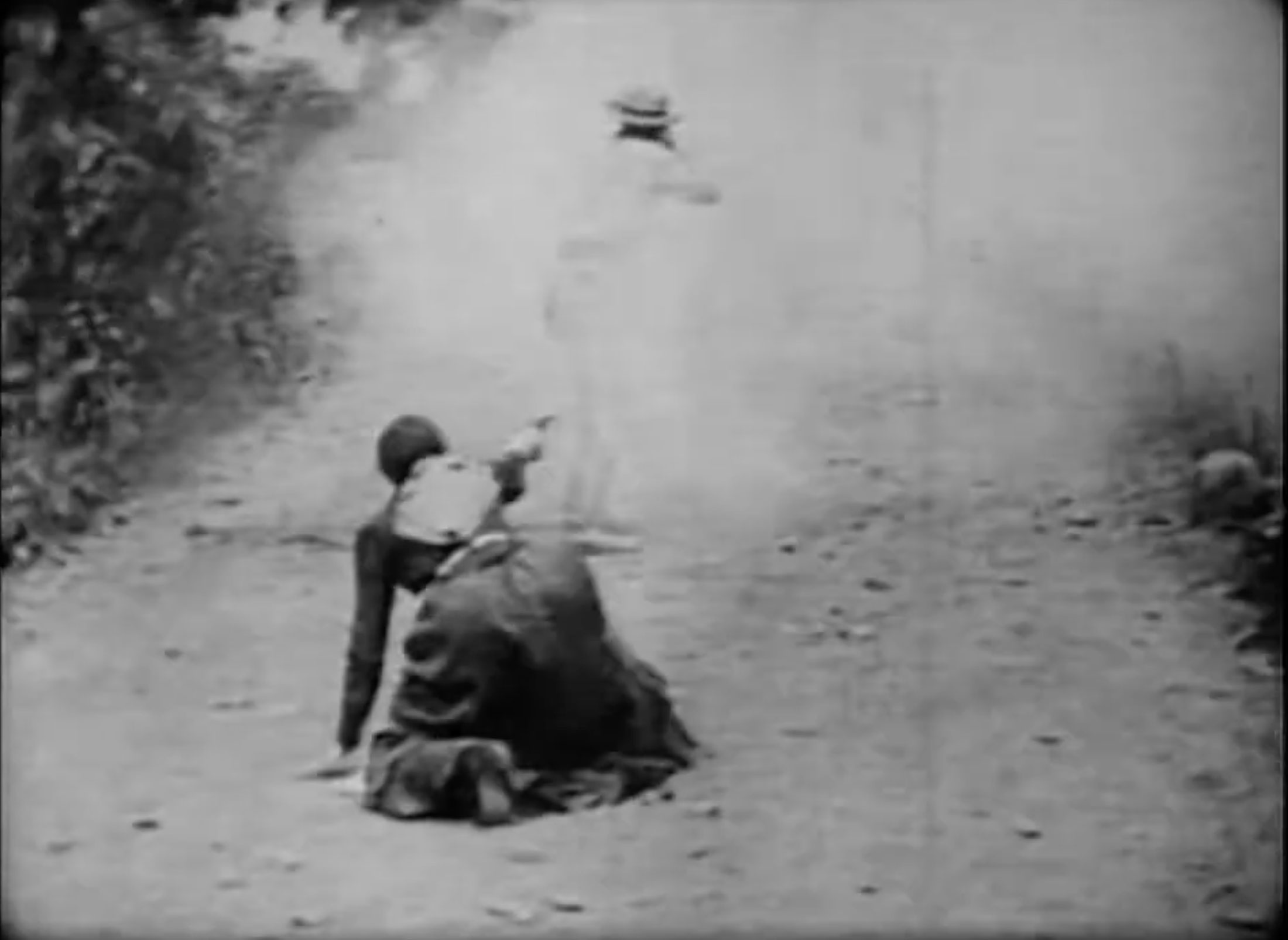
Almost all the moonshine films featured a prominent female lead and an element of romance. The women may have fallen in love but also exhibited great bravery in defense of their romantic interest and families. In Her Moonshine Lover, Sue, the daughter of a moonshiner, realizes that she is being followed by a revenue agent as she heads to the still operated by her sweetheart Dave. To keep the agent away from the still, she “lays him low with a well-aimed blow” and then hurries to the still to warn Dave of the danger.
Even as famed an actress as Mary Pickford starred in a moonshine film, The Eagle’s Mate. The reviewer, in a 1918 issue of The Moving Picture World, wrote, “Whether or not it will be acceptable to the American people at a time they are engaged in cleaning up legalized distillers remains to be seen.” The attraction of the movie, according to the reviewer, was not the plot elements, for they were “long ago outworn,” but Pickford’s acting and the outdoor scenes.
Theatrics and locales in moonshine movies
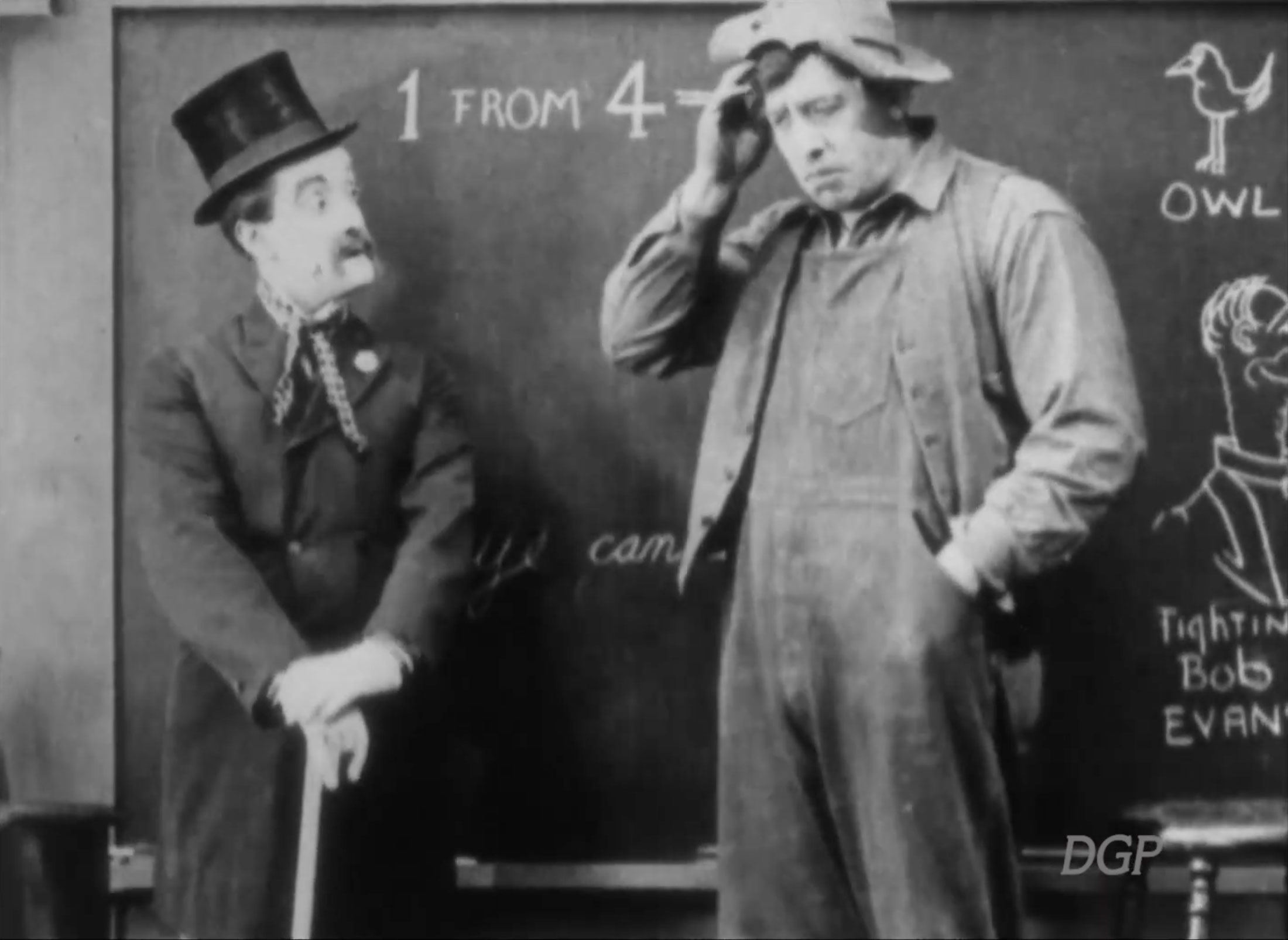
Most of the moonshine silent films were melodramas with exaggerated plots and characters that were designed to elicit certain emotions. But there were a few comedies mixed in. The movie Teaching the Teacher took place in a rural school in the “moonshine district of the South.” In the plot summary described in The Moving Picture World, the students, many of whom are “old enough to grow whiskers,” hide a barrel of illegal whiskey under the building. When discovered by a revenue agent, he blows up the whiskey barrel, taking the schoolhouse with it. According to the reviewer, “The comedy is geared to high speed, and has a goodly amount of fun.” You can view Teaching the Teacher on YouTube.
The actual locale for many of the moonshine films is purposely vague. Many were filmed in movie studios, not on-site. Some have outside photography of mountains to add local color and authenticity. Reviews for a few movies indicated that they were filmed or took place in the Tennessee mountains. One such movie was Moonshine and Love, according to The Moving Picture World review. In the plot, a schoolteacher happens upon a still in a cave. He is held hostage until the moonshiner’s daughter, who is in love with the teacher, begs for his release. The teacher is released and then the still is destroyed by a cave-in. The reviewer offered, “The entire picture pleases the audience and in one instance, at least, there was applause when the young man was released.”
There are a few other examples that place the action close to or in the Smokies. For example, The Raiders of Sunset Gap was “made in the Tennessee country and possesses a number of striking scenes.” The chief characters in the movie In the Tennessee Hills are “a young Tennessee mountaineer,” a mountain girl, and a dying mother living in a shack owned by a miserly landlord. The Mountaineers “was produced in some back woods community and has an interesting atmosphere.”
Whether placed in the actual Smoky Mountains or not, these films created an image of mountain people as having the potential for lawlessness and violence in the minds of the public. In many cases, the only redemption for the young women was to marry a man from the city or a revenue agent. It is tempting to see how this view of mountain people helped create a public perception favorable to removing Smoky Mountain people from their land to create a national park.
With the movement to create Great Smoky Mountains National Park, the advent of national Prohibition, and the decline of silent films, the moment to create melodramas about moonshine passed. But the stereotypical depiction of violence and illegal activities in Southern Appalachian communities has persisted even to this day.
Further reading: Williamson, J. W., Southern Mountaineers in Silent Films: Plot Synopses of Movies about Moonshining, Feuding and Other Mountain Topics, 1904-1929. Jefferson, North Carolina, McFarland & Co., 1994.
Subscribe to get the latest posts sent to your email.