


From bears and bobcats to eagles and elk, 22,893 species have been documented so far in Great Smoky Mountains National Park—and nearly half of them are insects. Becky Nichols, the park’s long-time entomologist, has dedicated her career to learning about and protecting lifeforms like bees, wasps, moths, and butterflies.
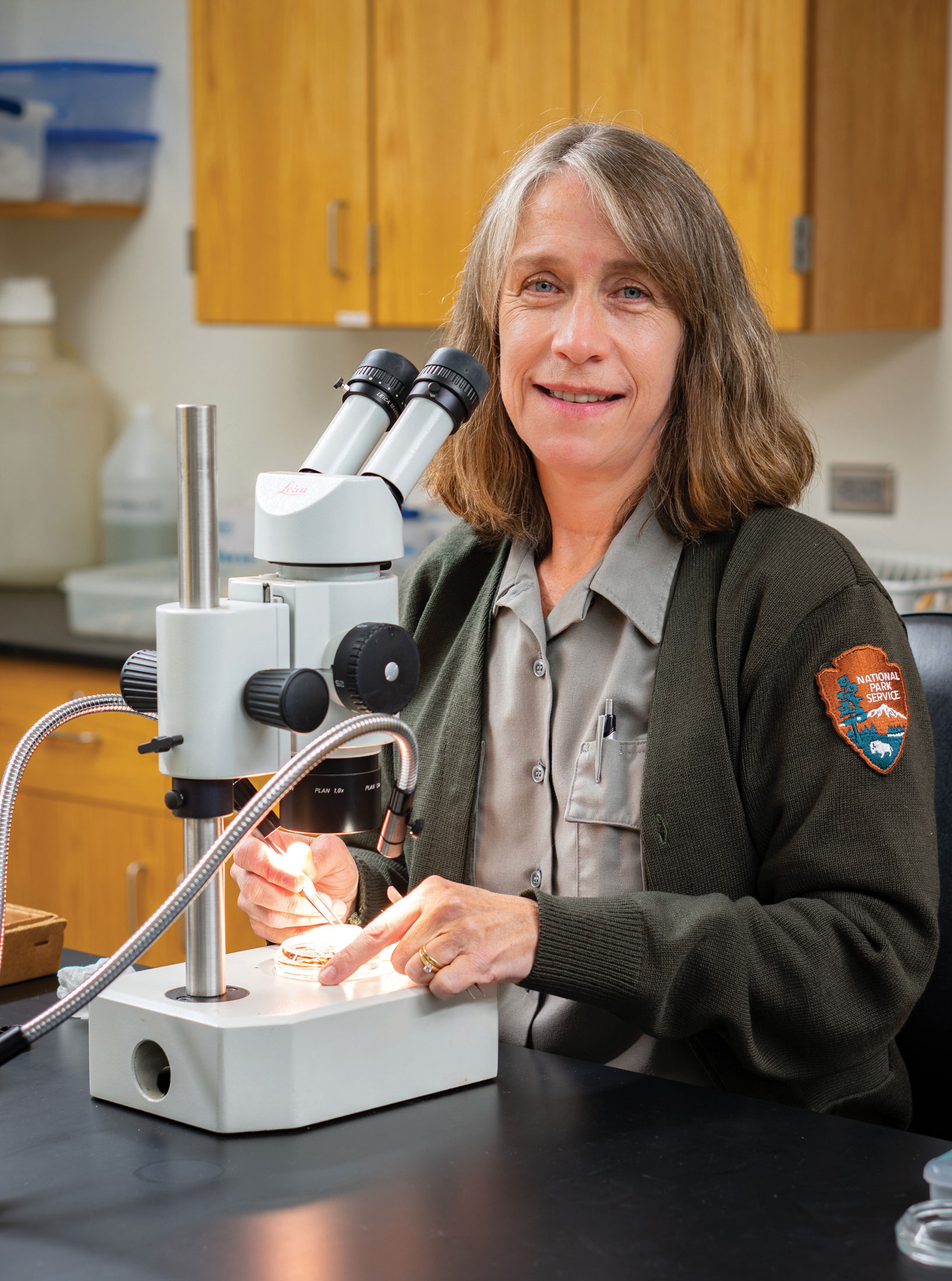
As a child in rural Washington state, Nichols gravitated toward nature and animals of all sorts. She knew from a young age that she wanted a career related to the environment.
“I grew up in a large family, and we all spent a lot of time outdoors—hiking, picking huckleberries, riding horses, raising farm animals, and taking care of the garden,” Nichols said. “Our family visited public lands often—even if it was just for a day—and summer vacations involved camping in national forests and national parks. I recall finding aquatic insects in a mountain stream and being intrigued. Little did I know the career path I would end up taking.”
As an undergraduate majoring in wildlife at Washington State University, Nichols was inspired by her entomology instructor, who “conveyed his enthusiasm to the students and really opened my eyes to the diversity of insects.” During summers she worked with the US Department of Agriculture in eastern Washington, surveying orchards for apple maggot flies and rangeland for grasshoppers—documenting a certain density of these agricultural pests would trigger various control measures. This gave her valuable experience working with scientists.
Her practical entomology experience continued in graduate school at Texas Tech University, where her thesis concerned fire ants and their impact on native ants in central Texas. Next, she went to the University of Missouri for her PhD, looking at aquatic insect diversity in relation to land use in the Ozarks. She had finished her doctorate and was seeking a job when she saw an announcement for the Smokies entomologist position.

“The job duties covered things that I had experience in, so I felt qualified to apply,” she said. “I had some federal experience as a seasonal, so that probably helped, and I was fortunate enough to get an interview and land the job.” That was 1998.
Synching in the Smokies
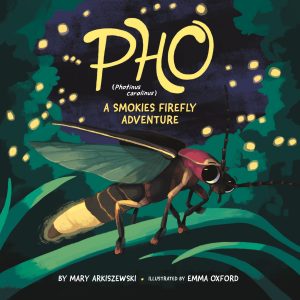
Shortly after settling into her position in the Great Smoky Mountains, Nichols heard about an amazing species of beetle that flashes in unison during its late spring–early summer mating ritual.
“The synchronous fireflies were well known by the local community at Elkmont when people still lived in the area,” she said. “It was quite amazing to see the display for the first time with just a handful of other local people who knew about it.”
Photinus carolinus prefers humid, dark, clean woods for its courtship ritual—and Great Smoky Mountains National Park, a temperate rainforest, is prime firefly real estate. As word of the flashing beetles spread, people started flocking to Elkmont by the hundreds, parking their cars on the side of the road and tromping through the forest to find a perfect viewing spot.
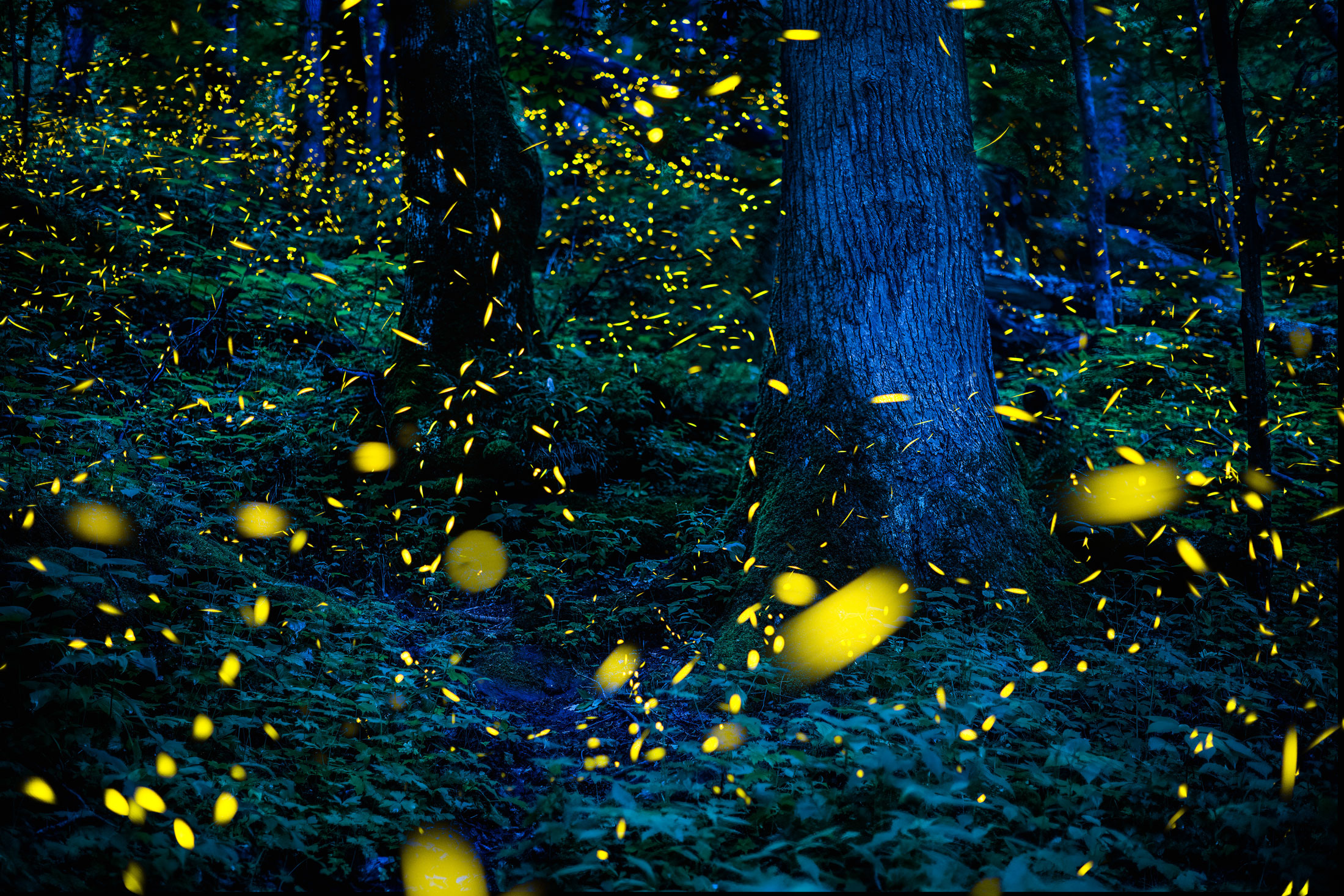
“There were too many vehicles trying to come in and out of the relatively small area,” Nichols recalled. “Cars would be parked in precarious places, headlights and flashlights were interrupting the flashing, and people were going off trail, endangering themselves and likely stepping on the female and larval fireflies.”
To protect the lightning bugs and their habitat, in 2006 the park began shuttling people to the site, and later using a lottery system to manage this high-demand viewing opportunity. This change improved the visitor experience and minimized disturbance to the park’s 19 different firefly species.
“The bioluminescent communication that occurs among fireflies is intricate and complex, and I find it amazing that so many species coexist in the nocturnal environment,” Nichols said. “Every spring I look forward to seeing the first fireflies come out, which to me indicates that there is a healthy habitat for them to complete another year of their lifecycle.”
Soon it became Nichols’ responsibility to synch up the famous lightshows with the humans who wanted to watch them. Now, beginning in early March each year, she tracks air and soil temperatures at Elkmont, then uses these data to calculate degree-day accumulation, which is basically a way to measure accumulated heat, and therefore growth. Firefly scientists Lynn Frierson Faust and Paul Weston first developed the degree-day formula in 2009, and Nichols has used it ever since to determine the timing of the synchronous firefly emergence and set viewing dates for the synchronous firefly show.
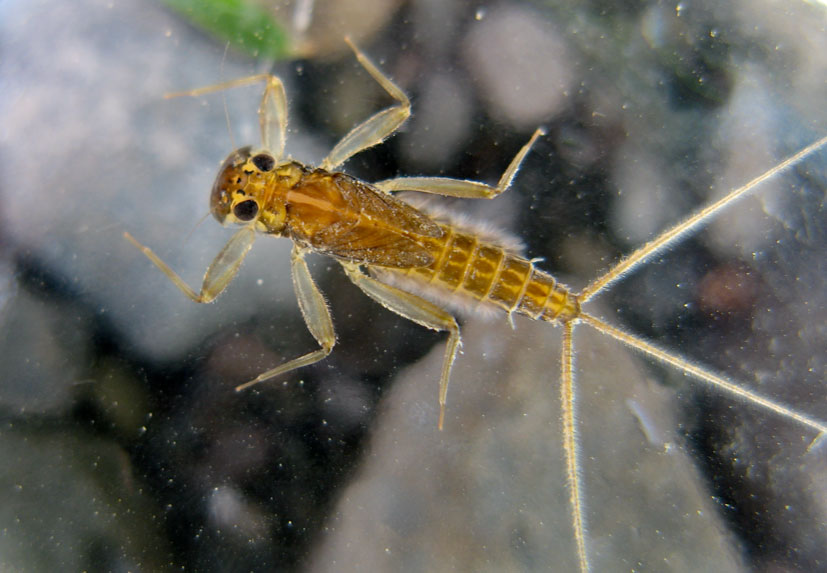
Over the years, peak viewing days have ranged from the third week of May to the third week of June. As with any natural event, it’s difficult to predict precisely.
“I can help with the planning, but I know conditions can change quickly,” she said. “Nature is ultimately in charge.”
The biodiversity of bugs
Lightning bugs are just one of many types of insects that fall under the park entomologist’s purview. Nichols’ favorites are the ones that remind her of that first sighting in a mountain stream years ago.
“Aquatic insects include the immature stages of mayflies, stoneflies, caddisflies, dragonflies, and many others,” she said. “I have worked with aquatics for many years, and we have documented over 1,000 species in the Smokies. The adaptations and diversity in this group are amazing, and they can tell you so much about the environment they live in.”
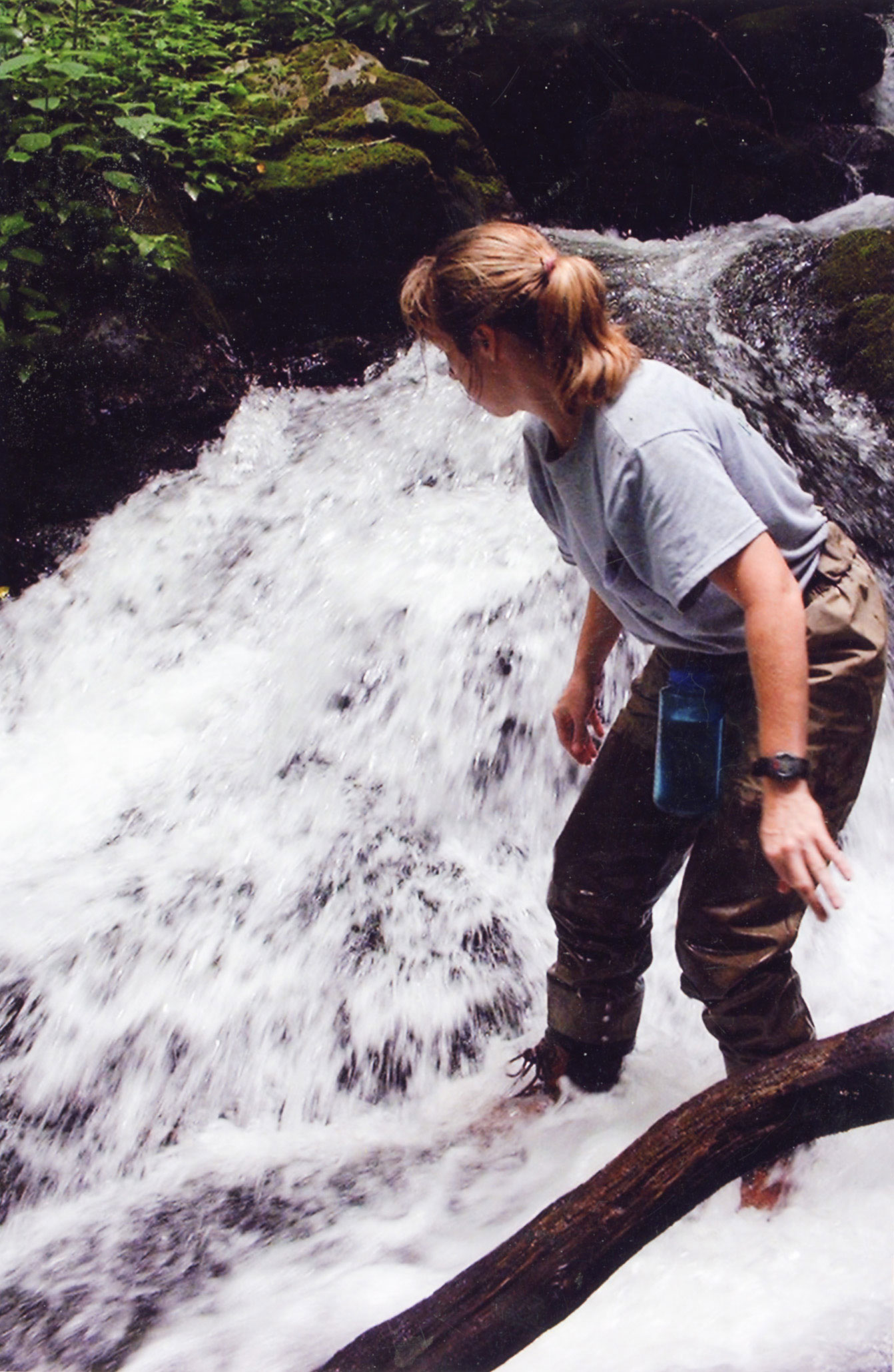
Nichols has been monitoring streams for the past 28 years as part of the Inventory and Monitoring program. The team collects aquatic insects from established sites within certain watersheds, sampling from the highest elevations all the way down to the lowest. The resulting data is then compared to data from previous years. This trend information can tell the scientists if there are problems within the watershed that might require further investigation.
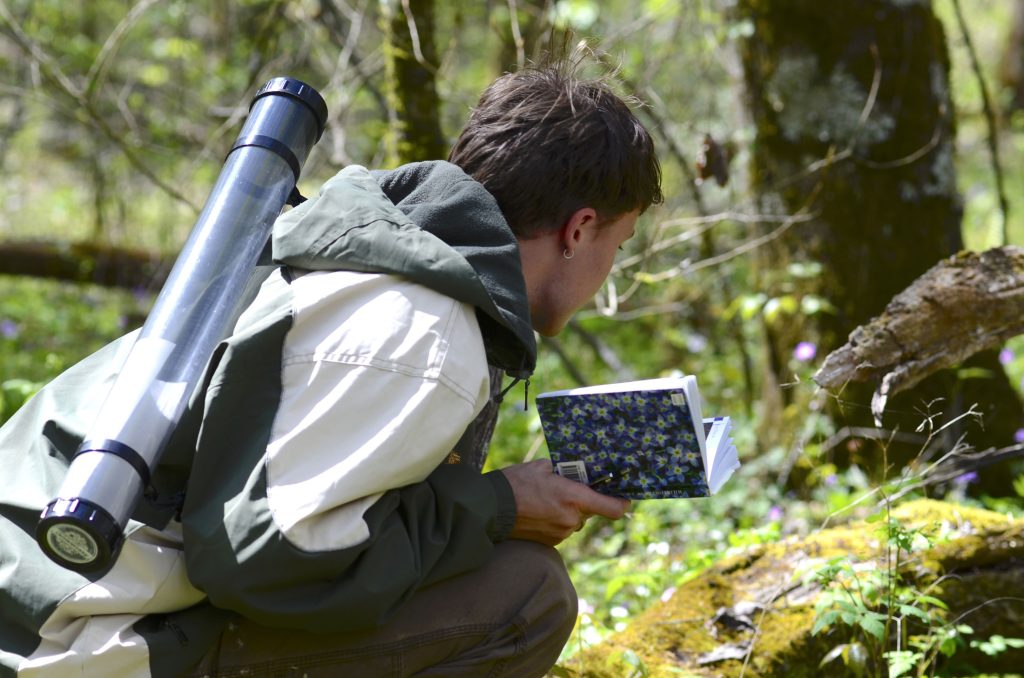
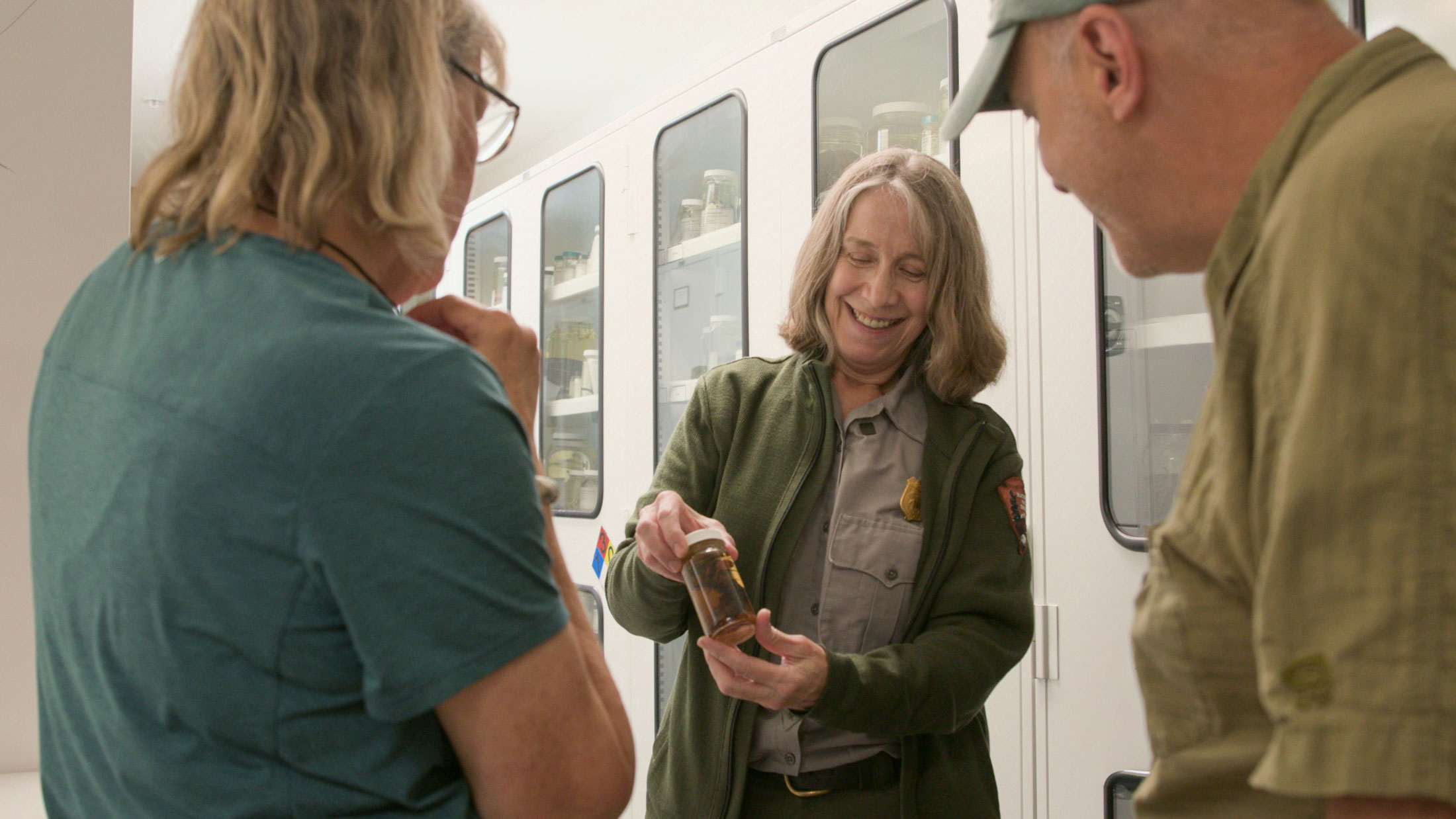
When not working in streams, Nichols might be found identifying insects in the lab, checking on various pollinators, or preparing specimens for the park’s natural history collection. She engages in public outreach by giving tours of the collection and leading hikes for community groups. In the winter, when field work is done, she analyzes data, writes reports, and keeps up a robust correspondence with scientists and educators inside and outside the park.
One of her favorite parts of the job has been working with park partner Discover Life in America since its inception in 1998 on many aspects of the All Taxa Biodiversity Inventory—the endeavor to catalog all the park’s species and their relationships to one another. She collaborates with DLIA to determine which taxonomic groups need attention, and the scientific nonprofit then recruits specialists to conduct fieldwork or process collected samples in the Smokies.
“I have always been interested in biodiversity,” Nichols said, “so to be involved in a project like this has been a great experience. I’ve worked with taxonomists, ecologists, and various specialists over the years. I’ve learned a lot from them, and we’ve made great progress in better understanding the biodiversity of the Smokies.”
Nichols loves sharing about her career path and has given many presentations to students and interns about entomology, natural history, and biodiversity. Often these young people, especially the women, are not aware of the types of job opportunities available to them. She likes to encourage them to pursue whatever interests them and to realize there are no boundaries.
“Women are now well-represented in many scientific fields, which wasn’t always the case,” she said. “When I was in graduate school there weren’t many women studying entomology, and now about half of the graduate degrees are awarded to women. This isn’t true in all scientific fields, however, and there is still work to be done to make these career paths more inclusive and equitable for all people.”
Subscribe to get the latest posts sent to your email.