

If you do an online search for information about the Great Smoky Mountains, chances are you are going to find what you seek in a story by Holly Kays. The lead writer for Smokies Life has possibly written more educational articles about America’s most-visited national park and its gateway communities than anyone—and she’s only been at it for a dozen years.
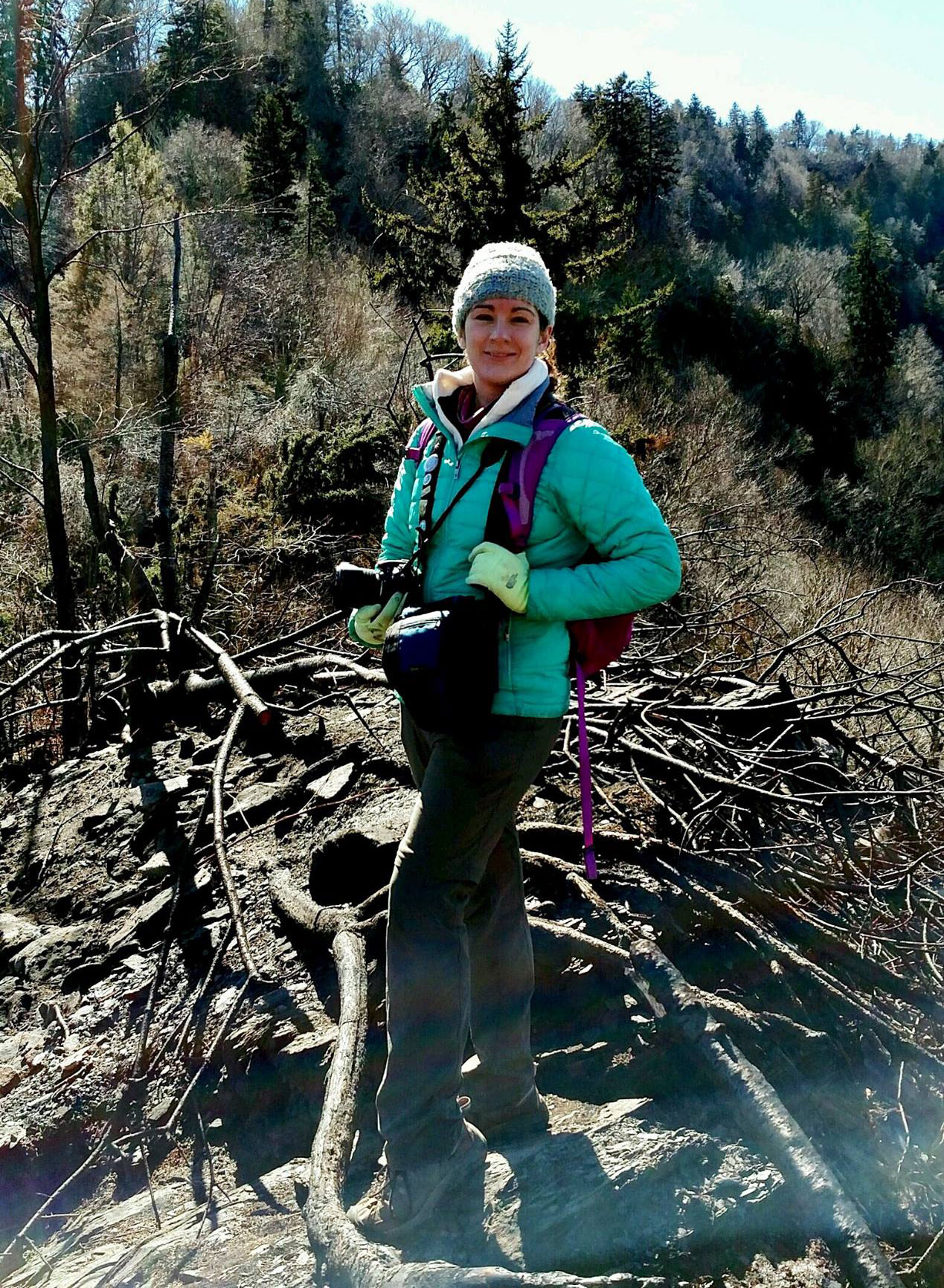
Kays came to Smokies Life from Waynesville’s Smoky Mountain News, where she spent a decade covering everything from Cherokee politics to the Chimney Tops 2 Fire and won 62 state and national awards for her writing. She now provides Word from the Smokies columns that appear weekly in the Asheville Citizen-Times, Knoxville News Sentinel, Beacon Tribune, and Smoky Mountain News, as well as the bi-monthly Smoky Mountain Living Magazine. She also edits the park newspaper, Smokies Guide, and contributes articles to Smokies Life Journal, the biannual print magazine that is our main member benefit.
I wanted to learn what makes her tick and how she became such a prolific journalist.
FF: What are some of your first memories of writing?
HK: I grew up in rural Western Maryland and went to a small public elementary school. In kindergarten or first grade we had these books in our classrooms that had a circle on the back cover with the publisher or series name written around the outside and a smiling face on the inside. It was around that time I wrote my first “books.” They were made out of computer paper folded into quarters and stapled together, with illustrations in crayon and my own personalized version of that publisher’s logo on the back.
FF: What were your favorite books as a kid?
HK: I loved the Boxcar Children series and tore through well over 100 of them. Fantasy series like Harry Potter, The Chronicles of Narnia, The Lord of the Rings, and A Wrinkle in Time were favorites, and for a long time I fantasized about being Laura Ingles Wilder from Little House on the Prairie or Sam Gribley from My Side of the Mountain. I really loved historical fiction, especially about American history—Johnny Tremain was one of my favorite books.
FF: Was there a particular teacher who inspired you?
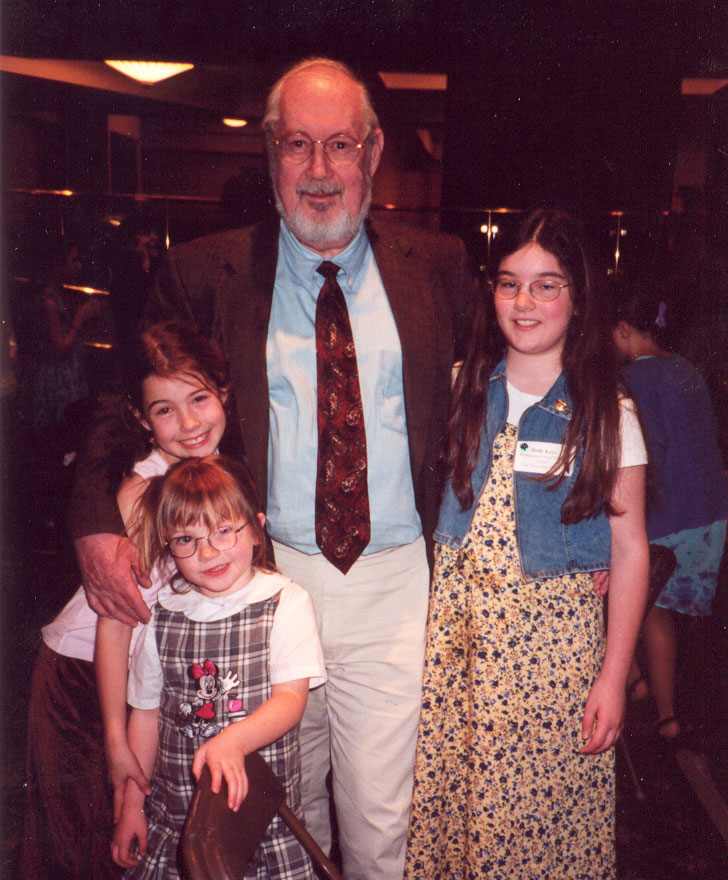
HK: As a kid I felt a freedom to be curious and learn about the things that interested me, and my third-grade teacher Miss Grier was a great example of this. She showed us the true power of great writing by assigning us to write persuasive letters attempting to convince her to get us a class pet. The first drafts weren’t good enough, so we had to revise them, but the revisions were so good she had no choice but to bring us Heidi the guinea pig!
FF: What was your college experience like at Virginia Tech?
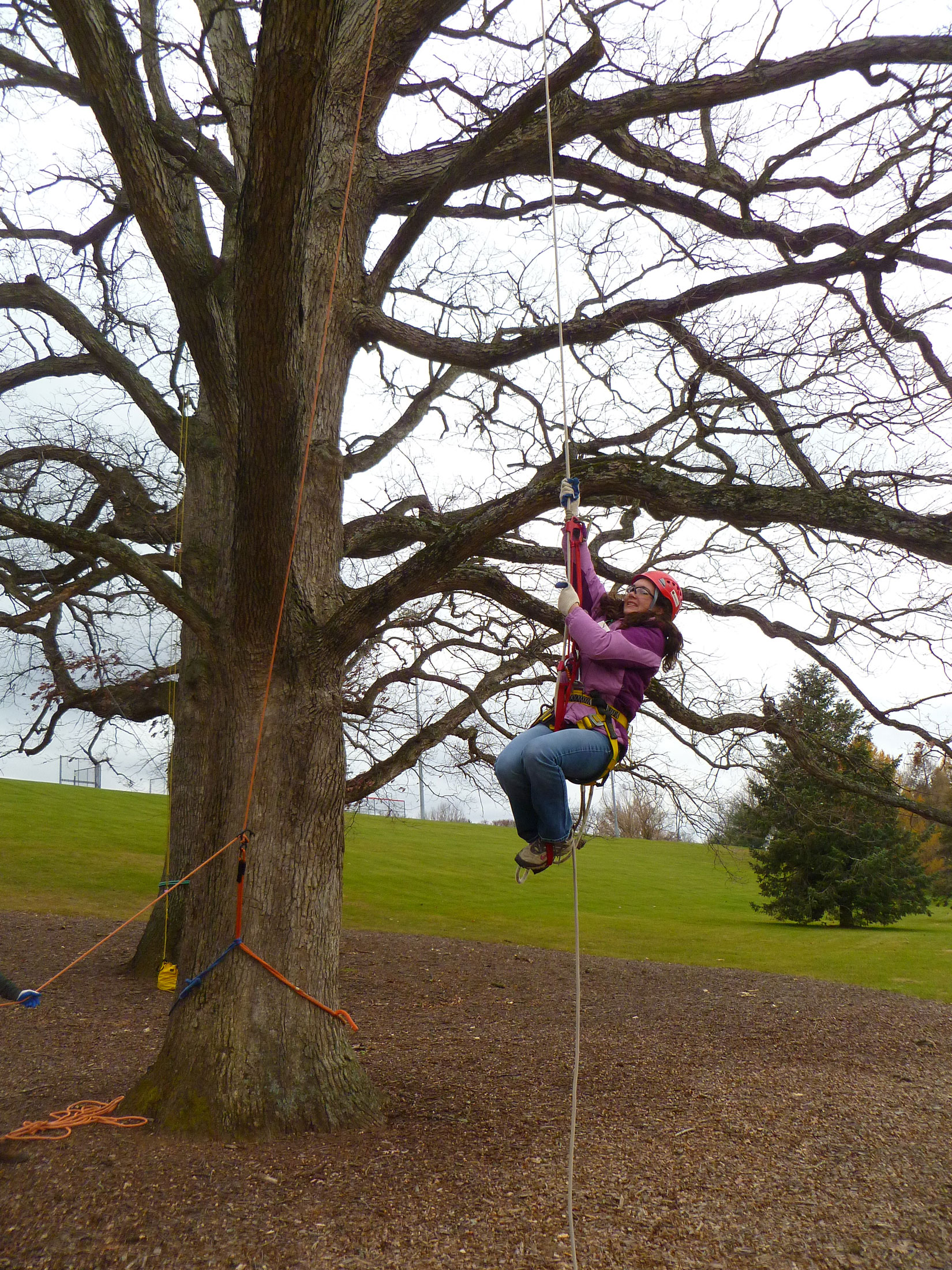
HK: I had a double major in natural resources conservation and creative writing that I really enjoyed but kept me quite busy. In my fiction writing workshops, I learned to grow a thick skin quick when my pieces were up for critique. My professional writing class was the only course that covered the practical aspects of writing as a career—how to pitch, how to write to journalistic standards, how to find a market for your work. On the natural resources side, urban forestry was tons of fun (we got to climb trees during lab, harder than it looks!), dendrology (tree ID) was fascinating, and of course I loved natural resources interpretation.
But perhaps the most important lessons happened outside the classroom. I was a leader in my campus ministry and an after-school program we ran at a trailer park near campus, which taught me so much about how to move from ideas to action, and about empathy for people with different needs and life experiences from my own. Meanwhile, I had a work-study job in the College of Natural Resources communications office. For a few hours a week, I’d go in to report and write stories for press releases, the quarterly alumni newsletter, and sometimes the university magazine, mostly about interesting research various professors were engaged in. It felt amazing to see my work printed and distributed, and I became comfortable with interviewing accomplished people without feeling intimidated.
FF: When did you realize you wanted to be a journalist?
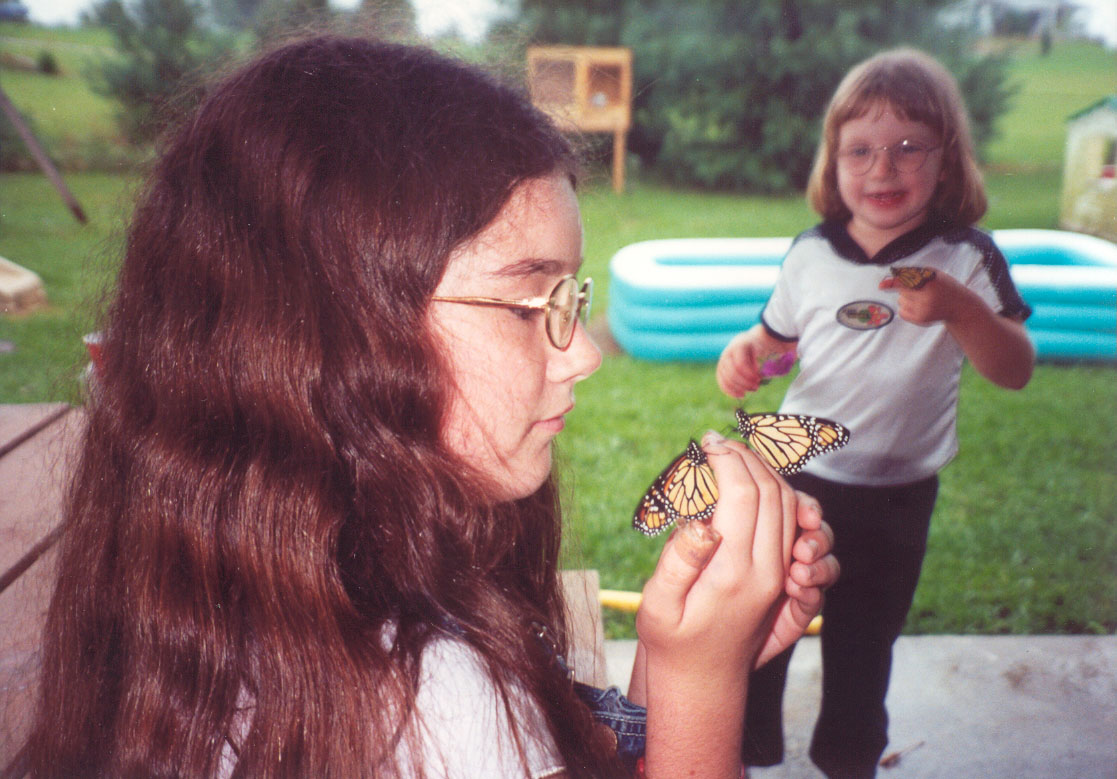
HK: I always knew I wanted to be a writer. And I knew I loved the outdoors, and investigating how and why things worked. The house where I grew up had a young forest in the back, and I loved picking black raspberries and finding caterpillars (especially monarchs) to raise into butterflies. I’d keep maps and logs of where I’d found different bird nests, what kind of bird, how many eggs each time I checked, etc.
But I didn’t really know how any of that would go together as a career until I graduated from college and got a newspaper internship in Idaho. That’s when I fell in love with the way journalism allows you to capture stories that would otherwise go untold, and the license it gives you to ask questions and follow a thread of inquiry without being beholden to a preferred final answer.
FF: After Idaho, you worked for a community newspaper in northeastern Wyoming. What were some of the lessons you learned there?
HK: At The Buffalo Bulletin I did a lot of reporting on the oil and gas industry, and I have this distinct memory of finishing an interview with some industry representatives about fracking and coming away with the thought that, “Oh, this is really completely safe and totally fine.” Shortly thereafter, as part of the same story, I had an interview with a nonprofit organization that was fighting the industry and hung up thinking how horrible this practice was and that it should be stopped immediately. As with most things, the truth is somewhere in the middle, and coming to a solid, informed opinion requires listening with a critical yet open mind to all perspectives. As a young journalist I learned how vitally important it is to cultivate that mindset.
FF: How did you end up coming to work and live in the Smokies?
HK: Interestingly enough, The Smoky Mountain News was one of the first places I applied when searching for a job during my Idaho internship. I got an interview, but not the position. A little over a year later I was staring down my second Wyoming winter and looking for a way to get back East when SMN contacted me to say they had a new opening for an outdoors editor, and would I be interested. The offer was truly an answer to prayer. I’d never been to the Smokies before but had a deeply rooted love for other areas of the Southern Appalachians. I couldn’t afford a trip east just to check things out, so I enlisted my sister, who was working at Sugarlands at the time, to visit Waynesville for me. I accepted the job and moved to North Carolina in January 2014.
FF: What are some of your most memorable stories from Smoky Mountain News?
HK: I had the privilege of interviewing a variety of truly fascinating and impressive people whose stories I was honored to tell—to name a few, there was Jerry Wolfe, Ella Bird, Myrtle Driver Johnson, and Shirley Oswalt, all of whom were named Beloved Man or Beloved Woman of the Eastern Band of Cherokee Indians; Charlie Duke, who in 1972 became the tenth person to visit the moon; Steve Claxton, whose 2016 Appalachian Trail thru-hike raised $70,000 for Big Brothers Big Sisters of Graham County and inspired me to join the program too.
FF: You also covered the wildfire season of 2016. What was that like?
HK: I’d characterize it as extremely stressful. Most people remember the Chimney Tops 2 fire, and rightly so, because it destroyed much of Gatlinburg and killed 14 people. But fewer people remember that the entire month leading up to that, enormous wildfires were burning across the Southeast, including tens of thousands of acres in Western North Carolina. Every day, multiple times a day, alerts were coming in about new fires, growing fires, evacuation orders. The air was frequently smoky, with ash sometimes falling like snow. I felt a real responsibility to get coverage out as quickly and thoroughly as possible, and every week it was a job that was never done until the last second before deadline.
FF: What are some favorite topics you’ve written about for Smokies Life?
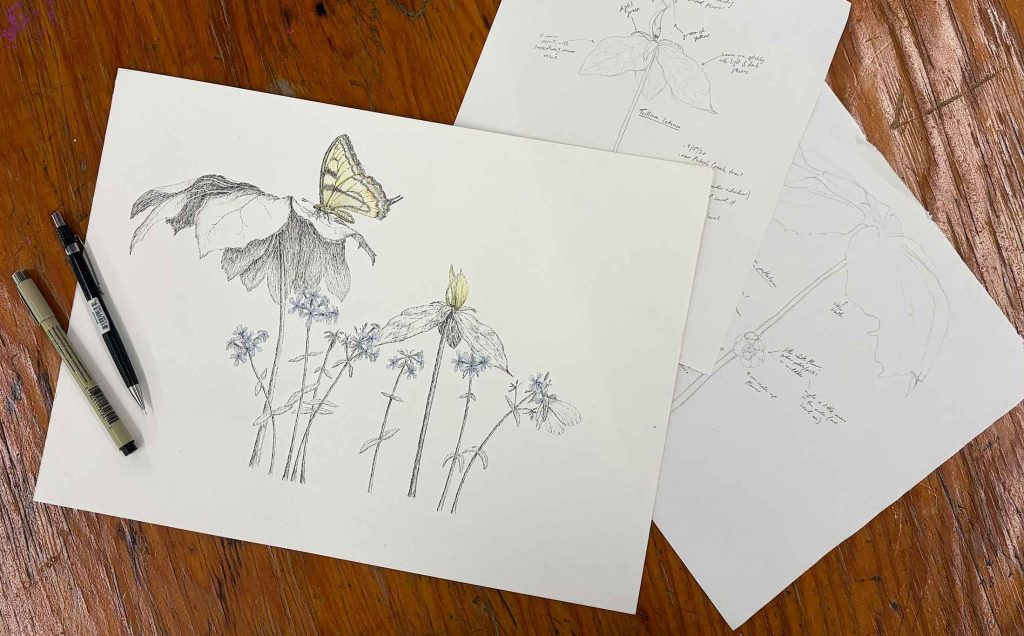
HK: Some that come to mind are stories about the annual reunion of families in Cataloochee Valley, the unveiling of the Gateway to the Great Smoky Mountains arch in downtown Waynesville, and the park’s sochan gathering agreement with the Eastern Band of Cherokee Indians. Profile stories also really excite me. Every person has a story, and I count it an incredible privilege when someone entrusts me to tell theirs. My Mountain Artist pieces in Smokies Life Journal and May 2025’s Word from the Smokies profile on Tom Harrington are examples of this. Then of course the science nerd in me loves diving into some data-driven rabbit holes! In this category, stories about joro spiders and research highlighting the dangers bears face when they’re relocated stand out to me.
FF: What parts of your career make you the proudest?
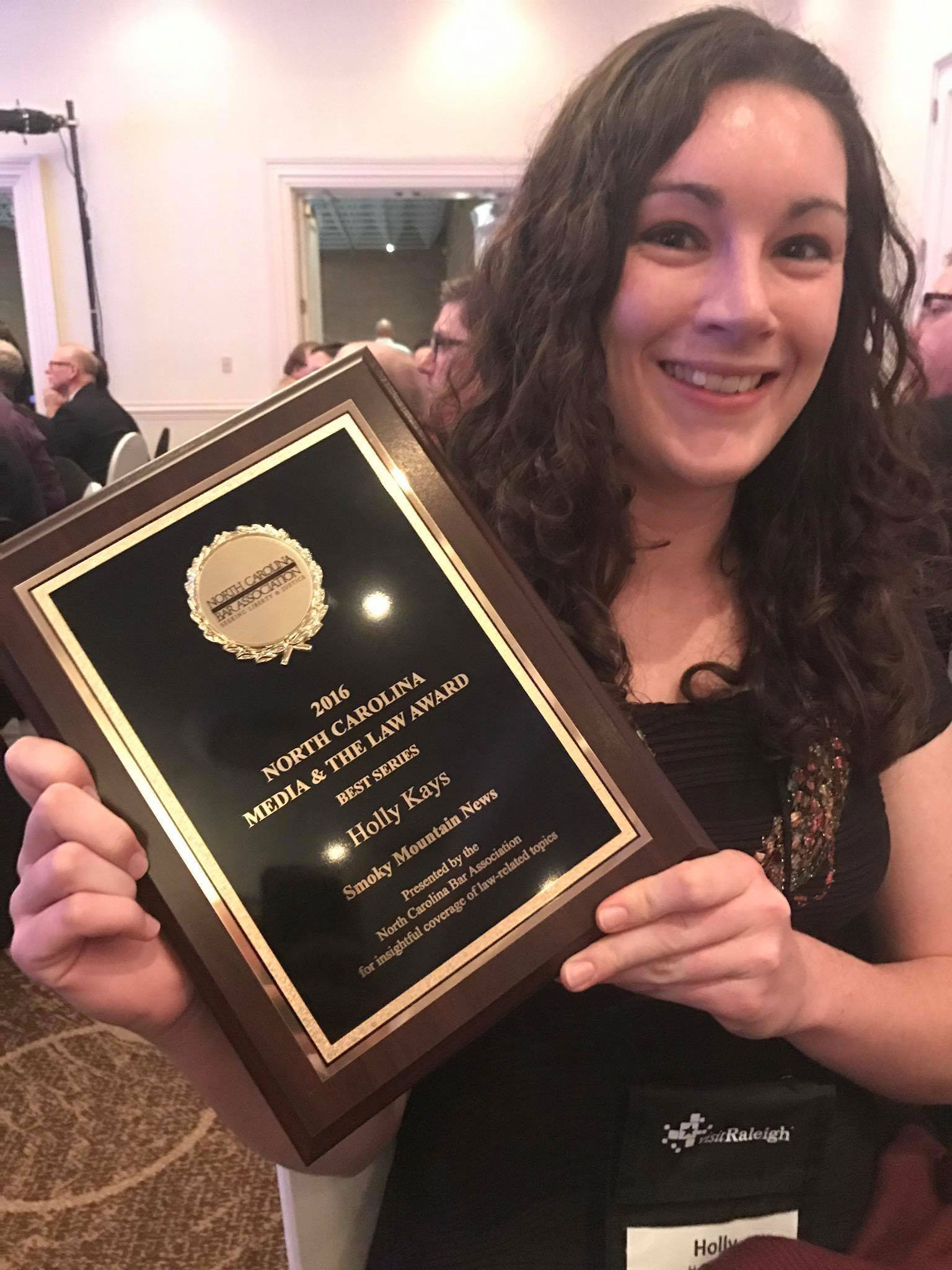
HK: I’ve written a number of stories I was happy to have produced or that won awards I was grateful to have received. But really the moments that have meant the most to me have come in conversations with community members, whether it’s a source expressing gratitude for the way I told their story or a voter thanking me for coverage they found to be informative and unbiased.
FF: In 2024, you attended the Tremont Writers Conference, a retreat created in partnership with Smokies Life. How did the experience inspire or enlighten you?
HK: I really enjoyed how the conference facilitated interaction between writers of different disciplines. Professionally, I’m a nonfiction writer. But there’s a fiction writer inside of me too, and maybe even a little baby poet. It was enlightening to interact with these different types of writers, to connect on the similarities of the writing experience across genre, and to hear the amazing work they were producing. More than a year later, some of us still meet in our own cross-genre monthly writing workshop.
FF: What aspirations do you hold for your writing over the next few years?
HK: I’ve got a list a mile long of things I think would be interesting to write about that I just haven’t had the chance to pursue yet, so the curiosity to find and tell those stories is a big part of what drives me. And if there’s one guarantee about living in the Smokies, it’s that there will never be a shortage of stories to tell.
Subscribe to get the latest posts sent to your email.